

How to Say 锻炼 (Exercise) in English
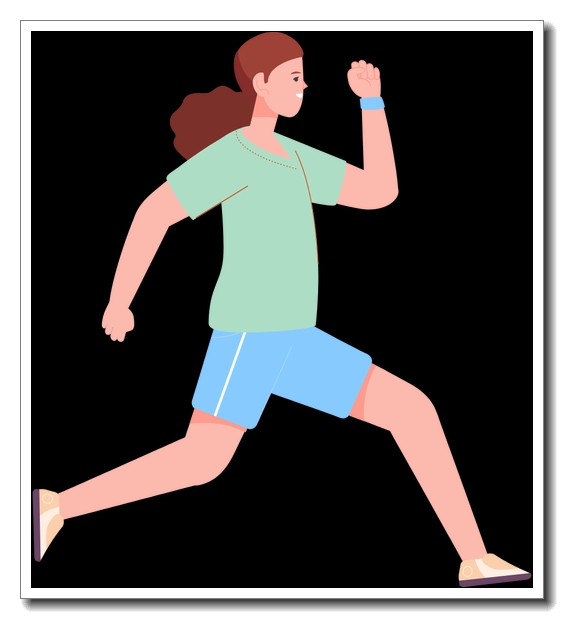
The Chinese word 锻炼 (duànliàn) translates to “exercise” in English, but the best translation often depends on the context.
Different Contexts, Different Translations
While “exercise” is a good general translation, consider these nuances:
-
General physical activity:
If you’re talking about physical activity in a general sense, “exercise” is often sufficient. For example, “She enjoys exercising regularly.” -
Training or practicing a skill:
If 锻炼 refers to training or practicing a skill, “practice,” “training,” or “drilling” might be more appropriate. For instance, “He was diligently exercising his skills in Mandarin.” In this case, “exercising his skills” implies developing and improving them, not just physical activity. -
Strengthening or developing something (figuratively):
Sometimes 锻炼 implies strengthening or developing something other than physical capabilities. This could be character, willpower, or evena relationship. For instance, “She’s exercising her patience by calmly listening.” In these cases, you may want to use a more descriptive verb. -
Formal contexts:
In a formal or academic setting, you may wantto use the verb “to train” or “to develop,” or use a more elaborate description of the activity.
Example Sentences
General Exercise:
她每天锻炼一个小时。 (Tā měitiān duànliàn yī gè xiǎoshí.)
She exercises for one hour every day.
Training a Skill:
他正在锻炼他的英语口语。(Tā zhèngzài duànliàn tā de Yīngyǔ kǒuyǔ.)
He is currently practicing his English speaking.
Strengthening Character:
这次经历锻炼了他的意志。(Zhè cì jīnglì duànliàn le tā de yìzhì.)
This experience strengthened his willpower.
Conclusion
Understanding the context is crucial when translating 锻炼.Choosing the most accurate and natural English equivalent ensures clear communication.