

Formal vs. Informal Use of 锻炼 and 锻练 in Chinese language
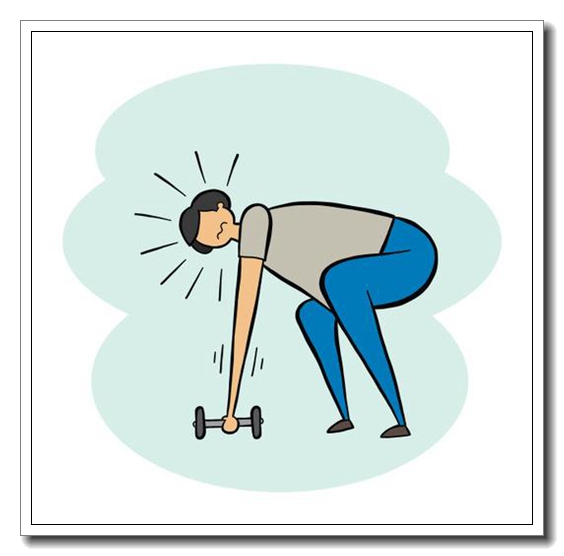
Both 锻炼 (duànliàn) and 锻练 (duànliàn) in Chinese translate to “exercise” or “training” in English, but they have subtle differences in their formal andinformal usage.
锻炼 (duànliàn) – The Common Choice
锻炼
(duànliàn) is the more common and widely used word in modern Chinese. It’s suitable for various contexts, from physical exercise to skill development and character building. It’s often used in everyday conversations, formal written documents, and academic settings to describe:
- Physical exercise: e.g., “I need to 锻炼 my body to stay healthy.” (我需要锻炼我的身体保持健康)
- Skill development: e.g., “The company offers various programs to 锻炼 employees’ communication skills.” (公司提供各种项目来锻炼员工的沟通技巧)
- Character building: e.g., “Through hardship, I learned to 锻炼 my resilience.” (通过磨难,我学会了锻炼我的韧性)
Essentially,
锻炼
is the go-to word for most situations where “exercise” or “training” is needed. Very rarely will it sound awkward.
锻练 (duànliàn) -Less Common and Often More Formal
锻练
(duànliàn) is less common than
锻炼
. Often,
锻练
is associated with a more formal, or even slightly dated, tone. It’s sometimes used to describe the development of skills,often in more technical contexts or more intense physical training. The nuances are quite subtle, but it might sound more appropriate in:
- Formal reports on military training or other intensive programs. Examples: “The soldiers underwent rigorous physical 锻练.” (士兵们接受了严格的体能锻练). or “The company conducted 锻练 programs tailored to individual needs.” (公司开展定制的锻练项目)
- Literature that aims for a particular style, sometimes to showcase a more old-fashioned feel.
Using
锻练
in casual conversation could sound unnatural or even slightly pompous.
Key Takeaway
For most situations requiring the translation of “exercise” or “training,”
锻炼
is the preferred and more natural choice.
锻练
, while conveyingthe same meaning, is reserved for more formal or technical contexts where a slightly more elevated tone might be desired.