

English Verbs for Different Types of Exercise
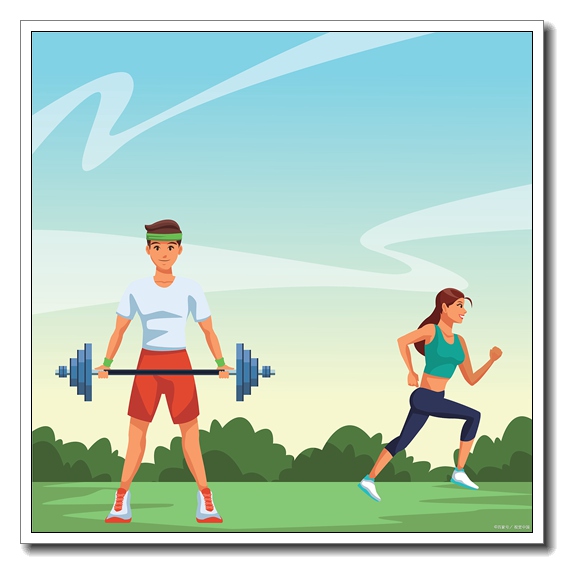
Learning the correct verbs to describe differenttypes of exercise can improve your English vocabulary and help you communicate more effectively about physical activity. This article provides a list of verbs categorized by the type of exercise.
Cardiovascular Exercise
-
Run
(e.g., “I run every morning.”) -
Jog
(e.g., “She jogs around the park.”) -
Walk
(e.g., “We walk the dog every evening.”) -
Cycle
(e.g., “He cycles to work daily.”) -
Swim
(e.g., “She swims laps in the pool.”) -
Row
(e.g., “They rowed the boatacross the lake.”) -
Sprint
(e.g., “He sprints to catch the bus.”) -
Jog/Run
(e.g. “Let’s jog/run together tomorrow”) -
Do cardio
(e.g., “She does cardio at the gym.”)
Strength Training
-
Lift
(e.g., “He lifts weights at the gym.”) -
Train
(e.g., “She trains with a personal trainer.”) -
Workout/ do a workout
(e.g., “I workout at 6 am every day.”) -
Exercise
(e.g., “She exercises every day.”) -
Squat
(e.g., “She squats three sets of 12 reps.”) -
Push
(e.g., “He pushes himself to do more.”) -
Pull
(e.g., “She does pull-ups outside.”) -
Press
(e.g., “He presses weights for strength.”)
Flexibility and Stretching
-
Stretch
(e.g., “She stretches before exercising.”) -
Warm up
(e.g.,”Let’s warm up before we play.”) -
Cool down
(e.g., “Remember to cool down after a workout.”) -
Yoga
(e.g., “I do yoga for flexibility and relaxation.”) -
Pilates
(e.g., “He attends Pilates classes.”)
This is not an exhaustive list, but it should give you a good starting point for describing various exercises in English. Remember toconsider the context when choosing the appropriate verb.