

锻炼 vs. 锻练:Which is the correct way to say exercise?
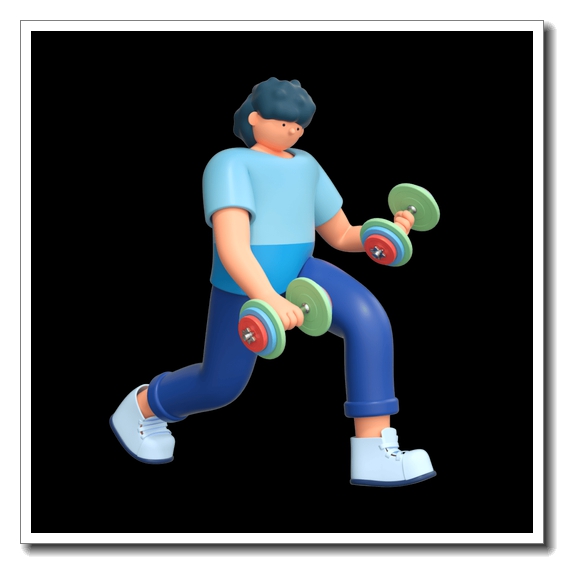
When trying to translate the English word “exercise” into Mandarin Chinese, you might encounter two characters: 锻炼 (duàn liàn) and 锻练 (duànliàn). While they use the same characters, they have subtly different meanings and usage.
The more commonly used and generally correct way to say “exercise” in Mandarin is 锻炼 (duàn liàn). This character combination is used to describe physical or mental training; practicing skills; and building strength or endurance.
Example:
I need to 锻炼 (duàn liàn) my body to be stronger. (我需要锻炼我的身体变得更强壮。)
The character combination 锻练 (duàn liàn), while sometimes seen, is less common and often carries a connotation of more specialized or professional training, particularly in the context of developing metal or skills. It often implies a more structured, rigorous, or longer-term training process. This is less commonly used for everyday exercise.
Rare Example:
The blacksmith was 锻练 (duàn liàn) his skills every day. (铁匠每天都在锻练他的技巧。)
In most everyday situations, 锻炼 (duàn liàn) is the appropriate choice for translating “exercise.” If you encounter 锻练 (duàn liàn), it’s usually within a more specialised context and might refer to training for a profession or specialized skill, not a general activity like physical exercise. So when in doubt, stick with 锻炼 (duàn liàn).
Ultimately, understanding the nuances between the two characters helps you select the most appropriate word for a given context, ensuring your communication is accurate and effective.