

Understanding Exercisein Pinyin
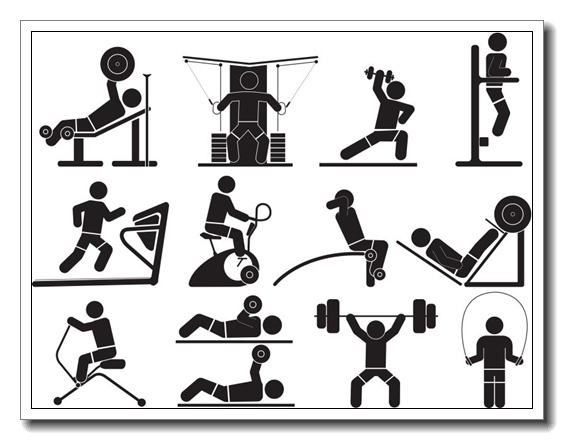
This article provides a basic understanding of the concept of “exercise” in Mandarin Chinese, using Pinyin.
The Basics
The most common way to say “exercise” in Pinyinis 运动 (yùndòng). This is a general term encompassing all forms of physical activity.
Different Types of Exercise
While 运动 (yùndòng) is versatile, you might need different Pinyin terms based on thespecific type of exercise:
- 跑步 (pǎobù) – Running
- 游泳 (yóuyǒng) – Swimming
- 骑自行车 (qí zìxíngchē) – Cycling
- 举重 (jǔ zhòng) – Weightlifting
- 体操 (tǐcāo) – Gymnastics
- 瑜伽 (yújiā) – Yoga
Using Exercise in Sentences
Here are a few example sentences to illustrate how 运动 (yùndòng) is used:
- 我每天都做运动。(Wǒ měitiān dōu zuò yùndòng.) – I exercise every day.
- 你喜欢什么运动? (Nǐ xǐhuan shénme yùndòng?) – What kind of exercise do you like?
- 散步也是一种很好的运动。 (Sànbù yěshì yī zhǒng hěn hǎo de yùndòng.) – Taking a walk is also a very good form of exercise.
- 我们应该多做运动。 (Wǒmen yīnggāi duō zuò yùndòng.) – We should exercise more.
Conclusion
Understanding the Pinyin term 运动 (yùndòng) is crucial for discussing physical activity in Mandarin Chinese. Remembering the differentPinyin terms for specific types of exercise will enhance your communication further.