

English Equivalents of 健康
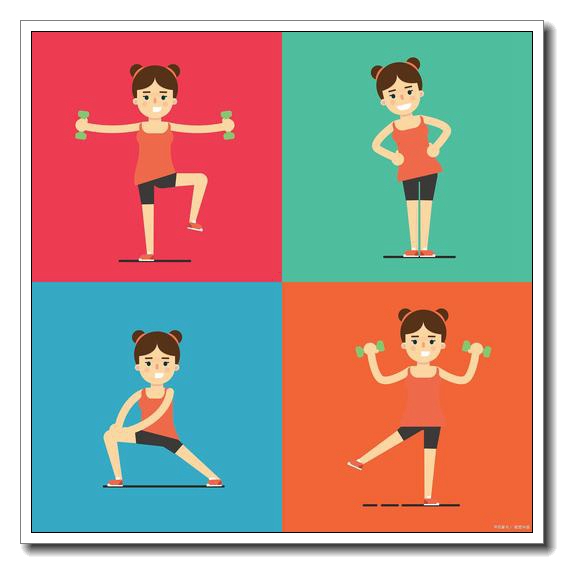
The Chinese word 健康 (jiànkāng)translates to “health” in English, but the best English equivalent depends heavily on the context. “Health” itself is a broad term. This article explores several nuances and appropriate alternatives.
Contextual Nuances
Understanding the specific meaning behind 健康 is crucial.Is it referring to:
-
Physical well-being?
-
Mental and emotional well-being?
-
Overall well-being (combining physical, mental, and social)?
-
A state of being?
-
A condition?
Common English Equivalents
Health:
The mostgeneral translation. Suitable for most situations unless a more specific nuance is required.
Well-being:
Implies a holistic sense of health, encompassing physical, mental, and emotional aspects. Often used in discussions about health and wellness.
Wellness:
Similar to well-being, but often emphasizes proactive efforts towards maintaining a healthy lifestyle. Focuses on the active pursuit of health.
Physical health:
Used when specifically referring to the body’s condition. More suited for contexts focusing on bodily aspects.
Mental health:
Usedwhen discussing mental well-being. Important for communicating about emotional and psychological states.
Examples
To illustrate the different nuances:
-
“他很健康。” (Tā hěn jiànkāng.) –
“He is healthy.” (General well-being) -
“她注重身心健康。” (Tā zhùzhòng shēnshén jiànkāng.) –
“She emphasizes physical and mental health.” (Specific focus ondifferent aspects) -
“为了保持健康,她坚持锻炼。” (Wèile bǎochí jiànkāng, tā jiānchí duànliàn.) –
“To maintain her health, she persists in exercising.” (Focus on maintaining health)
Conclusion
Choosing the right English equivalent for 健康 requires careful consideration of context. By understanding the different nuances, you can effectively convey the intended meaning in English.