

Correct Usage of 锻炼 and 锻练 in Chinese
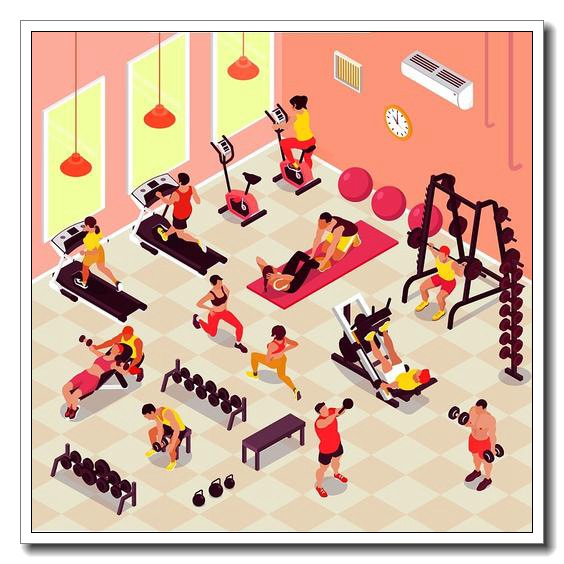
Both 锻炼(duànliàn) and 锻练 (duànliàn) are Chinese words meaning “to train, exercise, or cultivate,” but they have subtle yet important differences in usage. Knowing which to use correctly can avoid misunderstandings.
锻炼 (duànliàn)
This is the more common and widely applicable term. It refers to:
-
Physical exercise:
“To exercise” in the general sense, whether for physical fitness, sports, or military training. -
Mental andmoral cultivation:
“To cultivate” one’s character, skills, or abilities through experience and practice. This includes learning from mistakes, developing resilience, or improving one’s personality. -
Training for a specific purpose:
Preparing for a specific job or task.
Example:
他每天都锻炼身体,保持健康。(Tā měitiān dōu duànliàn shēntǐ, bǎochí jiànkāng.) – He exercises his body every day to maintainhis health.
锻练 (duànliàn)
This term, while phonetically identical to 锻炼, is less common and often used in contexts specifically related to:
-
Forging or Refining:
It can imply the process of refining or strengthening something, such as a metal or one’s character, often through hardship or experience. It carries a sense of strengthening to a higher quality. -
Military training in a specific skill:
In certain fields, like the military, it can refer to specific training for a skill or capability.
Example:
这把剑经过多年的锻练,终于锋利无比。(Zhè bǎ jiàn jīngguò duō nián de duànliàn, zhōngyú fēnglì wú bǐ.) – This sword, after years of training, finally became extremely sharp.
Key Differences Summarized
| Term | Meaning | Usage |
|---|---|---|
| 锻炼 (duànliàn) | General exercise, cultivation | Everyday use, broader range of contexts |
| 锻练 (duànliàn) | Forging, refining, particular skill development | More specific contexts, especially about strengthening something to a high standard |
In most cases, using 锻炼 is the safe and more natural choice. If you’re uncertain, consulting a dictionary or native speaker is recommended.