

The Science Behind Exercise and Its Positive Effects on Sexual Health
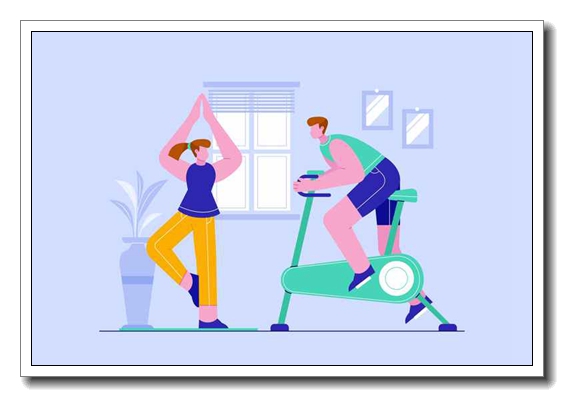
Exercise is widely celebrated for its numerous health benefits, from improving cardiovascular function to boosting mental well-being. However, one area that often receives less attention—yet is profoundly impacted by physical activity—is sexual health. A growing body of scientific research reveals that regular exercise plays a crucial role in enhancing sexual function and satisfaction in both men and women. The connection between physical fitness and sexual wellness is rooted in physiology, psychology, and hormonal balance.
One of the primary ways exercise benefits sexual health is through improved blood circulation. Sexual arousal and performance rely heavily on healthy blood flow. Aerobic exercises such as running, swimming, and cycling enhance cardiovascular efficiency, promoting better circulation throughout the body—including to the genital regions. In men, this can lead to stronger erections and reduced incidence of erectile dysfunction. For women, increased blood flow can heighten sensitivity and improve lubrication, contributing to more satisfying sexual experiences.
In addition to physiological effects, exercise positively influences hormone levels. Physical activity stimulates the production of testosterone, a key hormone involved in libido for both sexes. Resistance training, in particular, has been shown to boost testosterone naturally, which can enhance sexual desire and energy levels. Furthermore, exercise helps regulate cortisol, the stress hormone. High cortisol levels are associated with decreased sexual interest and performance, so managing stress through regular workouts can indirectly revive sexual drive.
Mental health also plays a pivotal role in sexual wellness, and here too, exercise proves beneficial. Regular physical activity reduces symptoms of anxiety and depression, conditions that frequently contribute to low libido and sexual dysfunction. The release of endorphins during exercise promotes feelings of happiness and relaxation, creating a psychological environment more conducive to intimacy. Moreover, consistent exercise improves body image and self-confidence, which are closely linked to sexual satisfaction.
Different types of exercise offer unique advantages. Pelvic floor exercises, such as Kegels, strengthen muscles vital for sexual function in both men and women. These muscles support bladder control and enhance orgasmic intensity. Meanwhile, yoga and stretching routines not only increase flexibility but also foster mindfulness and emotional connection, which can deepen intimate relationships.
It’s important to note that while exercise generally supports sexual health, balance is key. Overtraining or extreme physical exertion may lead to fatigue, hormonal imbalances, or reduced libido. Therefore, a moderate, consistent routine tailored to individual needs yields the best results.
In conclusion, the science is clear: regular physical activity significantly enhances sexual health through a combination of improved circulation, hormonal regulation, and psychological well-being. Whether it’s a brisk walk, weight training, or a yoga session, incorporating movement into daily life doesn’t just build a healthier body—it can also lead to a more fulfilling and vibrant sex life.