

Does Strength Training Contribute to Higher Testosterone Levels and Better Sexual Performance?
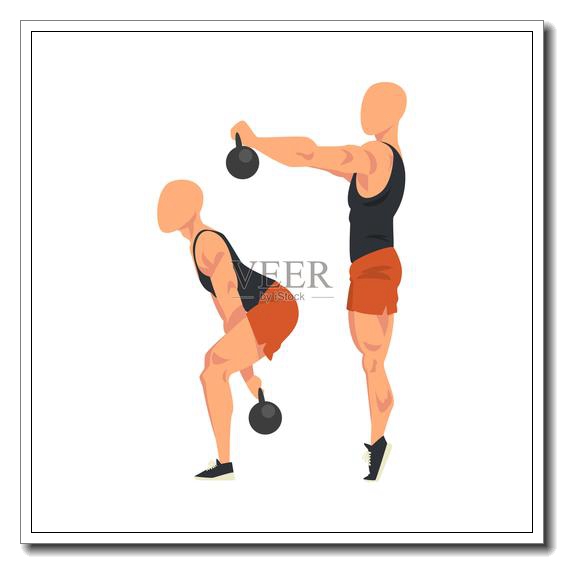
Strength training has long been associated with a host of physical and hormonal benefits, but one question frequently arises: does it contribute to higher testosterone levels and better sexual performance? The answer, supported by a growing body of scientific research, leans toward yes. Engaging in regular resistance exercises—such as weightlifting, squats, deadlifts, and bench presses—not only builds muscle mass and improves overall fitness but may also stimulate the endocrine system to produce more testosterone, particularly in men.
Testosterone, the primary male sex hormone, plays a crucial role in libido, energy levels, muscle growth, and mood regulation. Studies have shown that acute bouts of strength training, especially those involving compound movements and heavy loads, can lead to short-term spikes in testosterone. Over time, consistent training may help maintain healthier baseline levels, particularly in middle-aged and older men who naturally experience age-related declines in hormone production.
Beyond hormonal changes, strength training enhances cardiovascular health, increases stamina, and boosts self-confidence—all of which are linked to improved sexual performance. Improved blood flow, core strength, and endurance gained through lifting weights can translate into greater physical capability and prolonged activity in the bedroom. Additionally, the psychological benefits of feeling stronger and more physically capable often result in reduced anxiety and a more positive body image, both of which support a healthy sex life.
However, balance is key. Overtraining or excessively high-volume workouts without adequate recovery can lead to elevated cortisol (the stress hormone), which may suppress testosterone production and negatively impact sexual function. Experts recommend incorporating rest days, maintaining proper nutrition, and ensuring sufficient sleep to maximize the benefits of strength training.
In conclusion, while strength training alone is not a cure-all for low testosterone or sexual dysfunction, it is a powerful, natural tool that can significantly contribute to hormonal health and sexual well-being. When combined with a healthy lifestyle, it offers a sustainable path toward enhanced vitality and performance.