

Is There Scientific Evidence Linking Physical Fitness to Improved Sexual Function and Stamina?
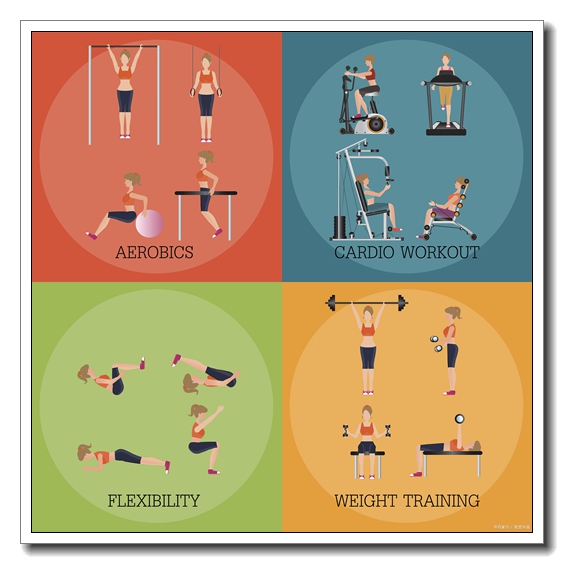
Is there scientific evidence linking physical fitness to improved sexual function and stamina? The answer, supported by a growing body of research, is a resounding yes. Numerous studies have demonstrated that regular physical activity and overall physical fitness are closely associated with enhanced sexual health in both men and women. From improving blood flow and hormonal balance to boosting self-esteem and reducing stress, the physiological and psychological benefits of exercise play a significant role in sexual performance and endurance.
In men, cardiovascular fitness has been particularly linked to better erectile function. Erectile health relies heavily on adequate blood circulation, and aerobic exercises such as running, swimming, and cycling help maintain healthy blood vessels and improve endothelial function—the lining of blood vessels responsible for vasodilation. A study published in the
Journal of Sexual Medicine
found that men who engaged in moderate-intensity aerobic exercise for 40 minutes a day experienced significant improvements in erectile dysfunction symptoms after six months.
For women, physical fitness contributes to increased blood flow to the pelvic region, heightened arousal, and greater likelihood of orgasm. Strength training and core stability exercises may also enhance pelvic floor muscle tone, which supports sexual responsiveness. Research from the
International Journal of Impotence Research
suggests that physically active women report higher levels of sexual desire, lubrication, and satisfaction compared to their sedentary counterparts.
Moreover, exercise influences key hormones related to sexual function. Regular physical activity helps regulate testosterone levels in both sexes—crucial for libido—and reduces cortisol, the stress hormone that can inhibit sexual desire. Additionally, improved body image and reduced anxiety, common outcomes of consistent exercise, further contribute to greater sexual confidence and stamina.
While more long-term clinical trials are needed to fully understand the mechanisms, current evidence strongly supports the connection between physical fitness and sexual well-being. Experts recommend a balanced routine incorporating aerobic exercise, strength training, and flexibility work to maximize these benefits. Ultimately, staying physically active isn’t just good for the heart and waistline—it’s also a powerful strategy for a healthier, more vibrant sex life.