

Understanding How Muscle Mass, Blood Flow, and Exercise Influence Sexual Ability
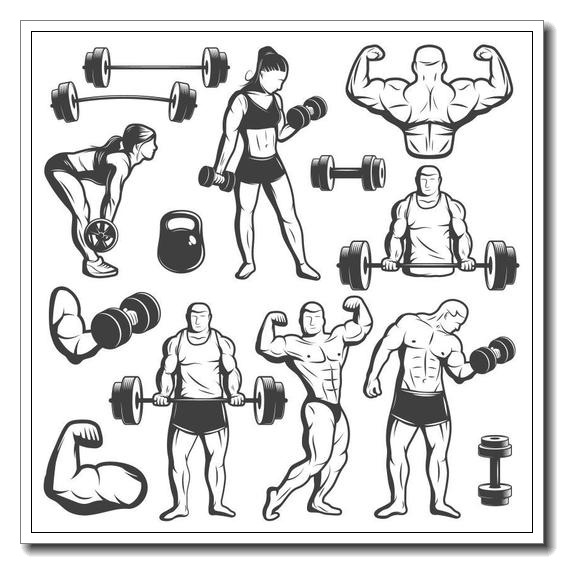
Understanding the intricate relationship between physical health and sexual ability is essential for overall well-being. Among the key physiological factors that influence sexual performance, muscle mass, blood flow, and regular exercise play pivotal roles. Muscle mass contributes to hormonal balance, particularly testosterone production, which is crucial for libido and erectile function in men and sexual desire in both sexes. Greater muscle mass often correlates with improved metabolic health and body confidence, both of which can enhance sexual satisfaction. Equally important is blood flow—optimal circulation ensures that erectile tissues receive sufficient oxygen and nutrients, a prerequisite for arousal and sustained performance. Conditions that impair vascular health, such as hypertension or atherosclerosis, can significantly hinder sexual function. Regular exercise amplifies these benefits by boosting cardiovascular efficiency, increasing nitric oxide production (which relaxes blood vessels), and reducing stress hormones like cortisol. Resistance training builds muscle, while aerobic activities improve circulation, creating a synergistic effect on sexual health. In essence, maintaining muscle mass through strength training, supporting healthy blood flow via cardiovascular fitness, and adhering to a consistent exercise regimen collectively enhance sexual ability, underscoring the profound connection between physical vitality and intimate wellness.