

Exploring the Scientific Connection Between Exercise Routines and Improved Sexual Function
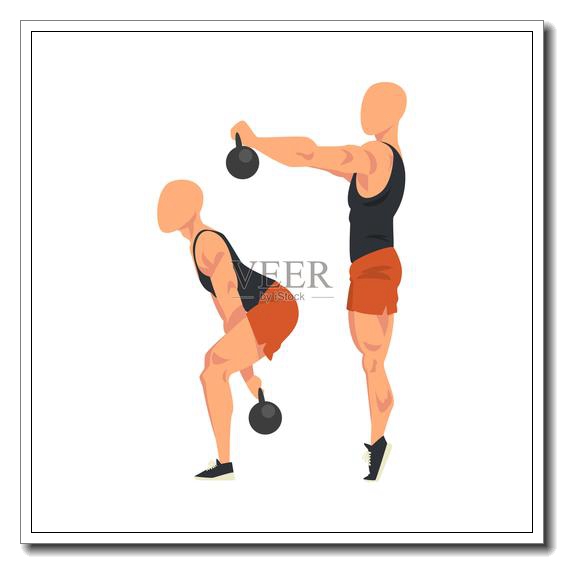
Recent scientific research has increasingly highlighted a compelling connection between regular exercise routines and enhanced sexual function in both men and women. While the physical benefits of exercise—such as improved cardiovascular health, increased stamina, and better muscle tone—are well-documented, its impact on sexual well-being is gaining attention as a vital component of overall health. Studies suggest that engaging in consistent physical activity can lead to improved libido, increased arousal, and greater sexual satisfaction.
One of the primary mechanisms behind this link lies in exercise’s ability to boost blood circulation. Healthy blood flow is essential for erectile function in men and genital arousal in women. Aerobic exercises like running, swimming, and cycling promote vascular health, reducing the risk of conditions such as erectile dysfunction. Resistance training, including weight lifting and bodyweight exercises, contributes by increasing testosterone levels, which play a key role in sexual desire and performance.
In addition to physiological effects, exercise also influences sexual health through psychological pathways. Regular physical activity is associated with reduced stress, lower levels of anxiety, and improved self-esteem—all of which are critical factors in sexual confidence and intimacy. Endorphins released during workouts act as natural mood enhancers, helping individuals feel more relaxed and emotionally connected with their partners.
Moreover, certain types of exercise have shown specific benefits. For instance, pelvic floor exercises (such as Kegels) strengthen the muscles involved in orgasm and ejaculatory control, leading to more intense sexual experiences. Yoga and mindfulness-based movement practices improve body awareness and reduce performance-related anxiety, fostering a deeper mind-body connection during intimate moments.
While the optimal exercise regimen may vary from person to person, experts generally recommend a balanced routine combining aerobic activity, strength training, and flexibility exercises for maximum sexual health benefits. Importantly, consistency appears to matter more than intensity; even moderate daily activity can yield noticeable improvements over time.
In conclusion, the scientific evidence supporting the positive relationship between exercise and sexual function continues to grow. By incorporating regular physical activity into their lifestyles, individuals may not only enhance their physical fitness but also enrich their intimate relationships and overall quality of life.