

The Science Behind Daily Exercise: How My Body and Mind Responded to a 365-Day Fitness Challenge
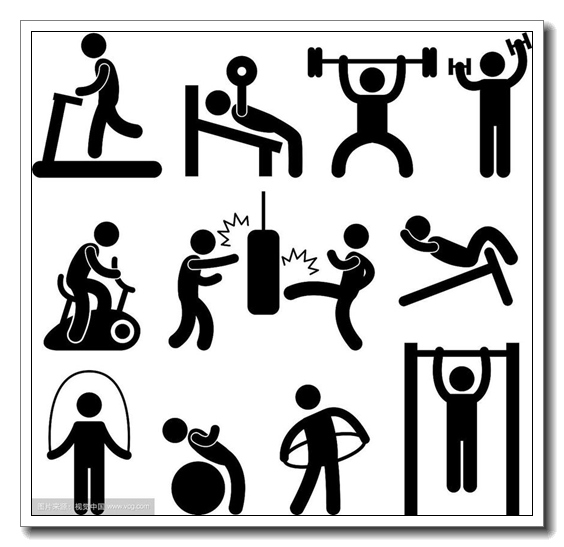
For years, I treated exercise as a seasonal resolution—something to pick up in January and quietly abandon by March. But last year, I decided to flip the script. I committed to a 365-day fitness challenge: 30 minutes of intentional physical activity every single day, no exceptions. What began as an experiment in discipline soon transformed into a profound journey of self-discovery, revealing just how deeply daily exercise can reshape both body and mind. The science behind consistent movement, as it turns out, is not only compelling—it’s life-changing.
From the very first week, my body signaled that something was shifting. My morning runs left me winded at first, but within days, my stamina improved noticeably. This wasn’t just perception; it was physiology in action. Regular cardiovascular exercise strengthens the heart muscle, improving its efficiency in pumping blood and delivering oxygen throughout the body. According to research published in the Journal of Applied Physiology, even moderate aerobic activity for 30 minutes a day can enhance VO2 max—the maximum amount of oxygen the body can utilize during intense exercise—by up to 15% over several months. I experienced this firsthand: hills that once felt insurmountable became manageable, and my resting heart rate dropped from 74 to 62 beats per minute by month three.
Beyond the cardiovascular benefits, my metabolism began to recalibrate. Daily movement increased my basal metabolic rate, helping my body burn more calories even at rest. Combined with mindful eating, this led to a steady, sustainable weight loss of 18 pounds over the year—without crash diets or extreme restrictions. Strength training two to three times a week also promoted lean muscle growth, which further boosted calorie expenditure. Science supports this: muscle tissue burns more energy than fat, even when inactive, creating a positive feedback loop for long-term weight management.
Yet the most surprising changes weren’t physical—they were mental. Around week six, I noticed a shift in my mood. The usual afternoon slump was replaced by sustained energy, and feelings of anxiety that once plagued my workdays began to recede. Exercise, I learned, triggers the release of endorphins, serotonin, and dopamine—neurochemicals associated with pleasure, focus, and emotional resilience. A meta-analysis in JAMA Psychiatry found that regular physical activity can reduce symptoms of depression and anxiety as effectively as medication or therapy for some individuals. On days when stress threatened to overwhelm me, a brisk walk or yoga session became my reset button—a natural, accessible form of mental healthcare.
Sleep, too, improved dramatically. Where I once struggled to fall asleep, I now drifted off easily, sleeping more deeply and waking refreshed. Studies show that regular exercisers fall asleep faster and spend more time in deep sleep, the most restorative phase. However, timing mattered: workouts completed too close to bedtime occasionally disrupted my sleep, teaching me the importance of aligning exercise with circadian rhythms.
Perhaps the greatest lesson of the 365-day challenge wasn’t about fitness at all—it was about consistency. Neuroscience reveals that habits form through repetition, and after about 66 days on average, behaviors become automatic. By sticking with the routine—even on days when motivation waned—I rewired my brain to view exercise not as a chore, but as a non-negotiable part of my identity. Missed days didn’t exist; substitutions did. If I couldn’t run, I walked. If I couldn’t hit the gym, I did bodyweight exercises at home. Flexibility within structure proved key to sustainability.
As I crossed the finish line of my year-long journey, I stood not just fitter and stronger, but fundamentally changed. The science is clear: daily exercise isn’t merely about aesthetics or endurance. It’s a powerful modulator of mental health, cognitive function, hormonal balance, and longevity. My body responded with resilience; my mind responded with clarity. And now, 365 days later, I’m not done. The challenge ended—but the habit remains, one deliberate step at a time.