

Stay Fit While Enjoying the Rhythm: The Proven Health Benefits of Dancing in Daily Life
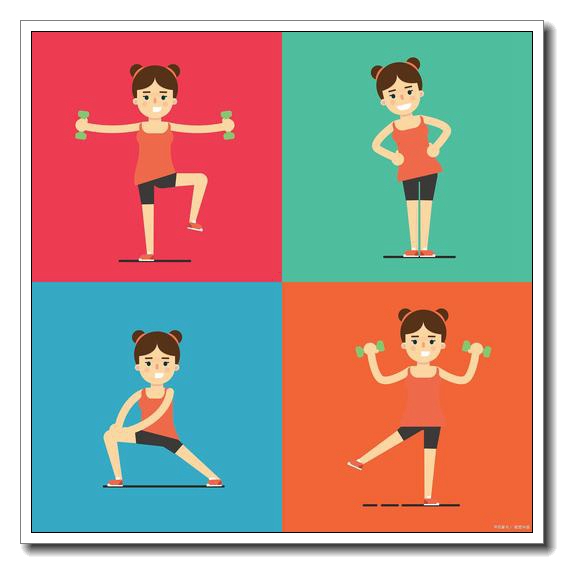
Dancing is more than just a form of entertainment—it’s a powerful, enjoyable way to stay fit and improve overall well-being. Whether it’s salsa, hip-hop, ballroom, or freestyle movement in your living room, incorporating dance into daily life offers a wide range of proven health benefits. From boosting cardiovascular fitness to enhancing mental health, dancing combines physical activity with emotional expression, making it one of the most sustainable forms of exercise.
One of the most significant advantages of dancing is its positive impact on heart health. As an aerobic activity, dancing increases heart rate and improves circulation, which can reduce the risk of cardiovascular diseases. Studies have shown that regular participation in dance routines can lower blood pressure, improve cholesterol levels, and enhance endurance—similar to the effects seen with jogging or cycling.
Beyond cardiovascular gains, dancing builds strength, flexibility, and balance. The dynamic movements involved engage multiple muscle groups, helping tone muscles and improve coordination. This is especially beneficial for older adults, as improved balance reduces the risk of falls and promotes independence. Dance styles like ballet and contemporary emphasize posture and core stability, contributing to better body awareness and alignment.
Mental health also sees remarkable improvements through dance. The rhythmic motion combined with music stimulates the release of endorphins, the body’s natural mood elevators, which help alleviate stress, anxiety, and symptoms of depression. Group dance classes foster social connection, reducing feelings of loneliness and boosting self-esteem. For many, dancing becomes a joyful outlet for self-expression and creativity.
Moreover, dancing supports cognitive function. Learning choreography challenges memory, attention, and problem-solving skills. Research suggests that dance may even delay the onset of neurodegenerative conditions like Alzheimer’s disease by keeping the brain actively engaged.
The beauty of dancing lies in its accessibility. It requires no special equipment and can be adapted to any fitness level or age group. With online tutorials, community classes, and social dance events widely available, integrating dance into daily routines has never been easier.
In conclusion, dancing is a holistic approach to health—one that nurtures the body, mind, and soul. By staying active while enjoying the rhythm, individuals can achieve lasting fitness and happiness. So put on your favorite song, move to the beat, and let dance become a joyful part of your everyday life.