

Exercise vs. PhysicalTraining:Similarities and Differences
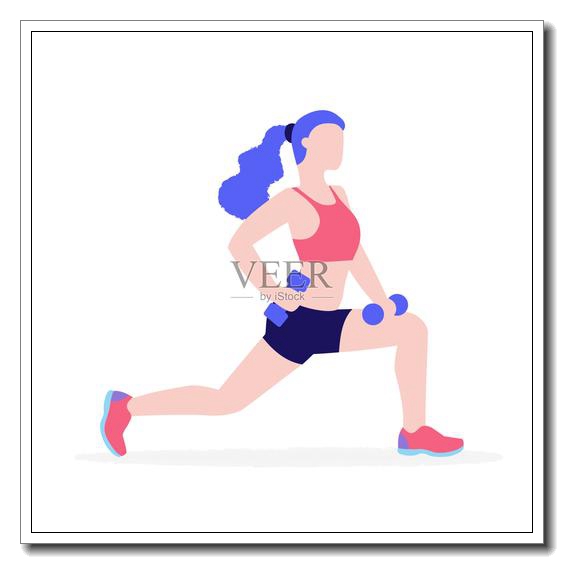
While both exercise and physical training involve physical activity, they differ significantly in their goals, intensity, and structure. Understanding these nuances can help you choose the right approachfor your needs.
What is Exercise?
Exercise is generally understood as any physical activity that enhances or maintains physical fitness and health. It’s often focused on short-term improvements, like improving cardiovascular health, burning calories, or managing stress. Examples include briskwalking, jogging, swimming, cycling, or yoga.
Key Characteristics of Exercise:
- Usually less structured than physical training.
- Often shorter duration.
- Focuses on maintaining or improving general well-being.
What is Physical Training?
Physical training, on the other hand, is a systematic and structured regimen of exercises designed to improve specific physical capacities like strength, endurance, speed, or agility. It often involves progressive overload, pushing the body beyond its comfort zone, to achieve specific performance goals. Examples include weightlifting routines, marathon training, or specialized sports training.
Key Characteristics of Physical Training:
- Highly structured and planned.
- Requires a precise program with progressive increases in intensity, volume, or duration.
- Focuses on improving performance in specific areas or sports.
- Often involves specialized coaching orguidance.
Similarities
Despite their differences, both exercise and physical training share some common ground:
- They both contribute to physical and mental well-being.
- They can reduce the risk of various health problems, like heart disease and type 2 diabetes.
- They require planning and consistency for optimal results.
Differences Summarized
| Feature | Exercise | Physical Training |
|---|---|---|
|
Structure |
Generally less structured | Highly structured andplanned |
|
Goals |
General well-being and health | Improving specific physical capacities |
|
Intensity |
Can vary, often moderate | Typically involves progressive overload |
|
Duration |
Often shorter sessions | Longer and more involved sessions |
Ultimately, the best approach is often ablend of both exercise and structured training, tailored to individual needs and goals.