

Physical Training Terms: A Comparative Study of Duànliàn and Duànliàn Shēntǐ
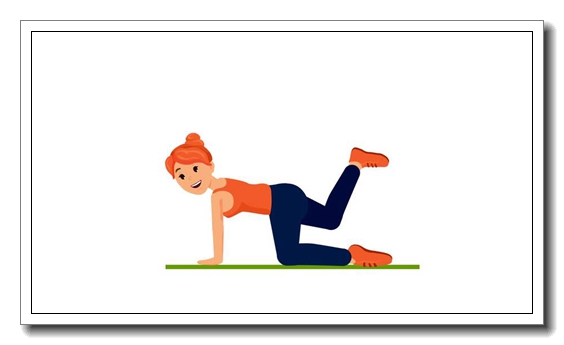
This article explores the nuances and differences between two seemingly similar Chinese physical training terms:
Duànliàn
(鍛鍊) and
Duànliàn Shēntǐ
(鍛鍊身體). While both relate to physical training, they carry subtle but important distinctions that warrant a closer examination.
Understanding Duànliàn
Duànliàn
,often translated as “training” or “exercise,” is a broad term encompassing a wide range of physical activities aimed at improving strength, endurance, and overall fitness. It can refer to anything from weightlifting to running, from martial arts practices to yoga. Crucially,
Duànliàn
can be appliedto general physical improvement and doesn’t inherently specify the target being trained.
Example:
“He engages in daily
Duànliàn
to maintain his health.”
UnderstandingDuànliàn Shēntǐ
Duànliàn Shēntǐ
, literally “training the body,” is a more specific and often more focused form of physical training. It explicitly targets the improvement of the physical body. The emphasis is on holistic development and oftenimplies a long-term commitment to physical health.
Example:
“She dedicates herself to
Duànliàn Shēntǐ
to build a stronger immune system through consistent effort and discipline,”
Key Differences Summarized
-
Specificity:
Duànliàn
is broad, while
Duànliàn Shēntǐ
is more narrow, focusing explicitly on the body. -
Focus:
Duànliàn
can encompass various activities, whereas
Duànliàn Shēntǐ
implies a broader, holistic approach to physical well-being. -
Implied Duration:
Duànliàn Shēntǐ
oftenimplies a sustained, longer-term commitment to physical conditioning.
Conclusion
While both terms relate to physical training, understanding the subtle distinctions between
Duànliàn
and
Duànliàn Shēntǐ
is crucial for accurate interpretation and for expressing the specific nuance of the physical training being described. Context is key to differentiating their usage in different situations.