

Understanding the Subtle Difference Between Duànliàn and Duànliàn Shēntǐ
The terms “duànliàn” and “duànliàn shēntǐ” are often used in discussions about traditional Chinese practices, particularly those related to martial arts and health cultivation. While seemingly similar, there’s a subtle yet significant difference between the two. Understanding this nuance is crucial for grasping thesubtleties of these disciplines.
What is Duànliàn?
Duànliàn (鍛鍊) broadly translates to “training” or “cultivation.” It encompasses a wide range of practices aimed at strengthening the body, mind, and spirit. This can include physical exercises, meditation, and other forms of self-improvement. Duànliàn is a general term and can refer to any form of practice designed to enhance one’s abilities.
What is Duànliàn Shēntǐ?
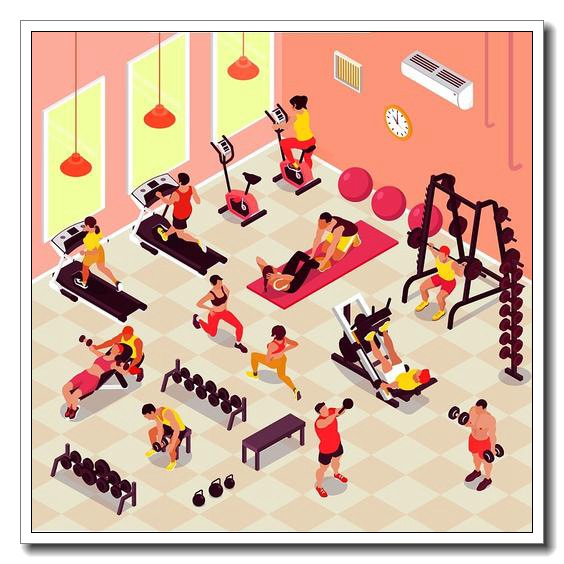
Duànliàn shēntǐ(鍛鍊身體) literally translates to “training the body.” It’s a more specific application of duànliàn, focusing exclusively on physical conditioning. This often involves targeted exercises designed to improve strength, flexibility, endurance, and overall physical well-being. It’s a subset of the broaderconcept of duànliàn, concentrating solely on the physical dimension.
Key Differences Summarized
| Term | Definition |
|---|---|
| Duànliàn | General training or cultivation, encompassing physical, mental, and spiritual aspects. |
| Duànliàn Shēntǐ | Specific training focused solely on the physical body. |
In essence, duànliàn shēntǐ is aparticular type of duànliàn, focusing on physical training. Recognizing this distinction helps clarify the objectives and methods behind various traditional practices involving physical development.
Further research into specific texts and practitioners’ descriptions will provide a more nuanced and comprehensive understanding of these complex concepts.