

Physical Training vs. Fitness: Whats the Distinction?
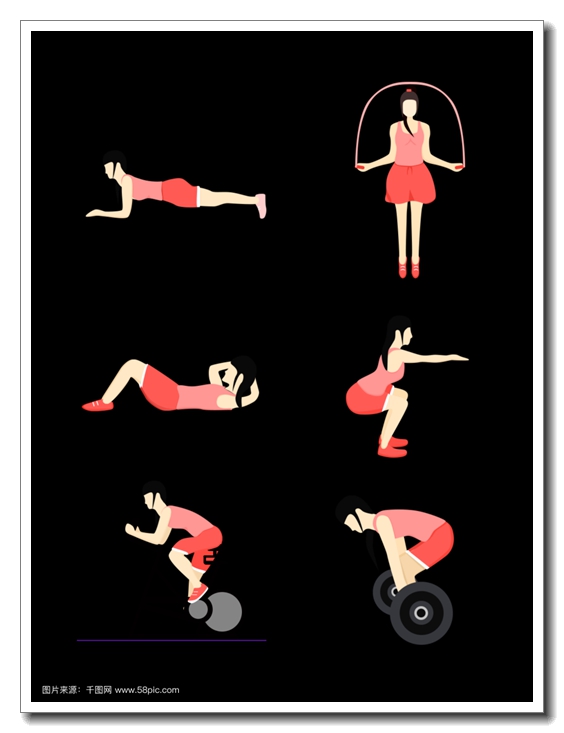
The terms “physical training” and “fitness” are often used interchangeably, but they represent distinct concepts. Understanding the difference can help you tailor your approach to achieving your health and wellness goals.
What is Physical Training?
Physical training is a structured, planned process aimed at developing specific physical attributes. It’s focused on improving strength, endurance, power, flexibility, and other measurable physical capacities. Think of it as a regimen designed with clear goals and a progressive approach,often used in athletic preparation or military applications. Key characteristics include:
-
Structured Routine:
A program with specific exercises, sets, reps, and rest periods. -
Progressive Overload:
Gradually increasing the intensity or volumeof training to challenge the body and promote adaptation. -
Specific Goals:
Improving certain physical capabilities (e.g., sprinting speed, weightlifting strength). -
Measurable Progress:
Tracking improvements in physical attributes through metrics (e.g., bench press weight, mile time).
What is Fitness?
Fitness, on the other hand, is a broader concept encompassing a state of well-being. It’s the ability to perform daily tasks with vigor and alertness, and ittypically includes elements of physical, mental, and emotional well-being. Fitness is often a more holistic approach, encompassing many activities and lifestyle choices. Key characteristics include:
-
Overall Well-being:
Focuses on achieving a healthy and balanced stateof mind and body. -
Lifestyle Choices:
Incorporates nutrition, sleep, stress management, and other habits that contribute to well-being. -
Varied Activities:
Engaging in activities that you enjoy & maintain long-term, like walking, swimming, hiking, or even dancing. -
Sustainable Habits:
Building a routine that can be maintained over time for long-term health benefits.
In short:
Physical training is a method to improve fitness, which is the state of well-being. Physical training can be a component of a broader fitness plan.
If you are aiming for a specific athletic performance or specific strength gains,structured physical training is appropriate. If your goal is a more complete state of well-being, a fitness plan that encompasses various activities and lifestyle factors is better suited.