

Building Your Fitness Vocabulary
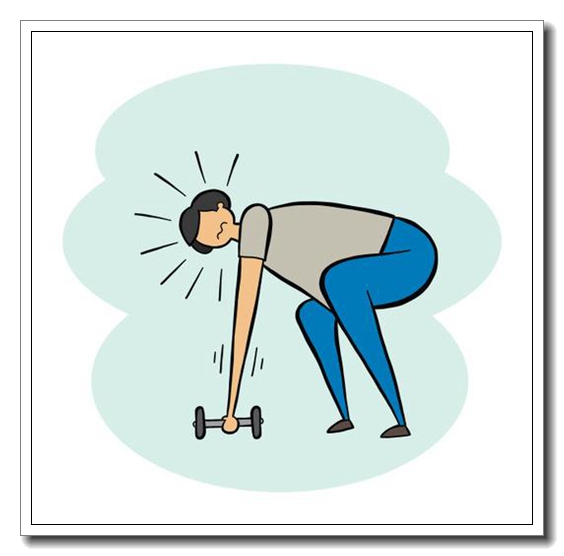
Understanding the language of fitness is crucial for achieving your goals. A strong fitness vocabulary not only helps you follow workout plans and understand instructions, but also allows deeper communication with trainers and fellow enthusiasts. This article provides a startingpoint for expanding your knowledge of key terms.
Essential Fitness Terms
Here are some fundamental terms you’ll encounter frequently:
-
Cardiovascular exercise:
Activities that elevate your heart rate, promoting heart health and burning calories. -
Resistance training:
Using weights, bodyweight, or resistance bands to build muscle mass and strength. -
Calorie deficit:
Consuming fewer calories thanyour body burns, leading to weight loss. -
Calorie surplus:
Consuming more calories than your body burns, leading to weight gain. -
Reps:
Short for repetitions, the number oftimes you perform an exercise. -
Sets:
The groups of repetitions you complete before resting. -
Warm-up:
A series of light exercises performed before a workout to prepare the body. -
Cool-down:
Gentle exercises performed after a workout to help the body recover. -
Rest days:
Essential for allowing muscle recovery and preventing injuries. -
Progression:
Gradually increasing the intensity or volume of your workouts to achieve better results. -
Plateau:
A period of time where progress slows or stops. -
Form:
Thecorrect technique for performing an exercise to maximize effectiveness and minimize risk of injury. -
Intensity:
The level of effort exerted during a workout. -
Specificity:
Tailoring your training to achieve your goals (e.g., running for endurance). -
Cross-training:
Incorporating different activities into your workout routine to improve fitness and prevent overuse injuries.
This is just a starting point.Exploring fitness resources, participating in classes, and engaging with the fitness community online will further expand your knowledge and vocabulary.