

Common Verbs Used in Exercise Descriptions
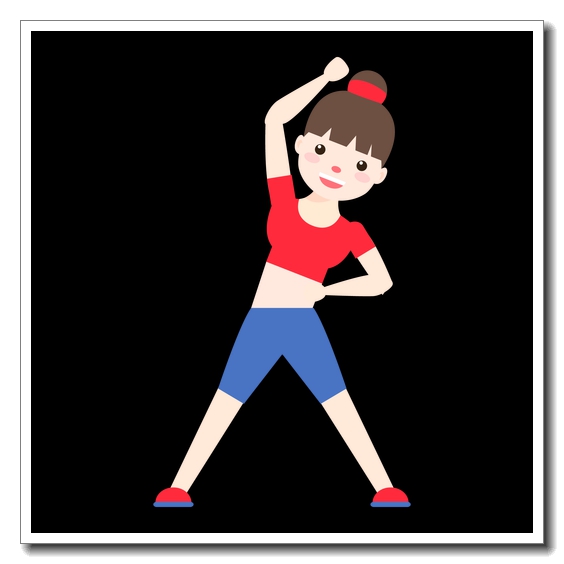
Understanding the verbs used in exercise descriptions is crucialfor correctly performing and understanding a wide array of workouts. This article outlines some of the most common verbs and their associated actions within the context of exercise.
Fundamental Movement Verbs
-
Lift:
Used for raising weights, dumbbells, or barbells. Specific variations include “lift overhead,” “lift from the chest,” or “lift with proper form.” -
Lower:
The opposite of lift, describing the controlled descent of weights or body parts. For example, “lower the dumbbell slowly.” -
Push:
Describes pressing movements, often against resistance. Examples include “push press” and “push-ups.” -
Pull:
Describes drawing weight or your body towards you, often against resistance. Examples include “pull-ups”and “pull downs.” -
Bend:
Involves a change in angle at a joint, often emphasizing a controlled movement. For example, “bend at the knees” or “bend your back.” -
Extend:
Theopposite of bend, straightening a joint or body part. For example, “extend your arm” or “extend your leg.” -
Rotate:
Involves turning or twisting the body or limbs around a central axis. For example, “rotate your torso” or “rotateyour shoulders.” -
Step:
Involves placing one foot in front of the other, often in a rhythmic pattern for exercises like walking lunges or step-ups. -
Jump:
Describes a rapid, forceful movement involvingboth legs, used in plyometrics or certain cardio exercises. -
Hold:
Maintaining a static position or posture for a set period of time. This might involve a plank, or holding a weight in a specific way. -
Crunch:
Aspecific type of abdominal exercise, involving a flexion of the torso. -
Curl:
Bending a limb towards the body, commonly used with weights or dumbbells.
Important Considerations
Remember that the specific meaning ofa verb can change depending on the surrounding words and context. It’s essential to carefully read the entire exercise description to understand the complete movement and avoid injury.
This list is not exhaustive, but it provides a solid foundation for understanding common verbs in exercise instructions.