

Describing Exercise in English: A Verb Guide
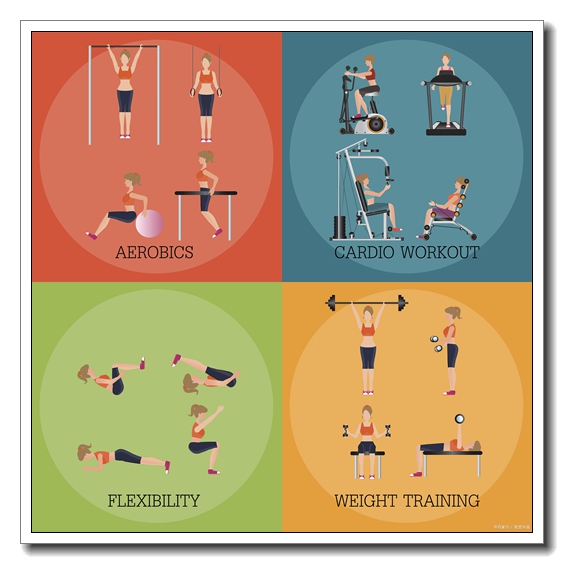
This guide provides a range of verbs to use when describing exercise,from general actions to more specific movements.
General Exercise Verbs
-
Do
exercise: This is a very common and general way to describe engaging in physical activity. Example: “I do exercise every morning.” -
Take
exercise: Similar to “do,” but can sometimes imply a more structured or planned approach. Example: “She takes exercise by jogging.” -
Engage
in exercise: This is a more formal way to suggest participation in physical activity.Example: “The program encourages users to engage in exercise regularly.” -
Participate
in exercise: Useful when describing involvement in an organized activity. Example: “I participate in a weekly team exercise class.” -
Perform
exercise: Implies a conscious effort and a particular method. Example: “He performed exercises focusing on core strength.”
Specific Exercise Verbs
To describe more precise actions, use verbs like:
-
Run
: Example: “I run every day for an hour.” -
Walk
: Example: “I prefer to walk to the park.” -
Jog
: Example: “She jogs aroundthe track.” -
Swim
: Example: “Swimming is a great full-body workout.” -
Bike
/
Cycle
Example: “He bikes to work every day.” -
Lift
weights: Example: “She lifts weights to build muscle.” -
Do push-ups
,
sit-ups
, etc: These are compound verbs for specific exercises. -
Stretch
: Example: “He stretches daily to improve flexibility.” -
Cardio
: Example: “She does cardio workouts for 30 minutes.” -
Train
: Example: “I train for marathons.” (implies a more focused, prolongedeffort)
Using Adverbs to Enhance Descriptions
Adding adverbs like “regularly,” “intensely,” “mildly,” “enthusiastically,” etc. can significantly improve the detail and nuance in your descriptions.
Example: Instead of “He does exercise,” say “He exercises regularly in the park.”
This list provides a starting point. Consider the specific context and the type of exercise when choosing the best verb to use.