

English translation for 锻炼
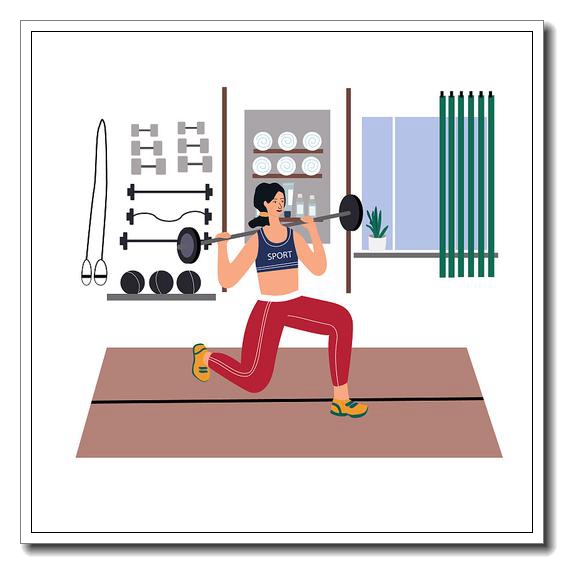
The Chinese word 锻炼 (duàn liàn) generally translates to “exercise” or “training” in English, but the best translationdepends on the specific context.
Possible English Translations and Contextual Nuances
Exercise (General):
This is the most common and general translation. It applies to physical activities like running, swimming, lifting weights,or doing yoga. For example, “他每天都锻炼身体” (Tā měitiān dōu duànliàn shēntǐ) translates to “He exercises his body every day.”
Training (Formalor Skill-Based):
When referring to developing skills, abilities, or character, “training” is often the better choice. Examples include “锻炼意志力” (duànliàn yìzhìlì) – “training willpower” or “锻炼领导能力” (duànliàn lǐngdǎo nénglì) – “training leadership skills.”
Physical Conditioning/Strengthening:
In some situations, “physical conditioning” or “strengthening” mightbetter convey the meaning. For instance, “通过锻炼,身体变得更强壮了” (Tōngguò duànliàn, shēntǐ biàn dé gèng qiángzhuàng le) – “Through exercise, the body became stronger.”
Other Considerations:
The specific nuances of the Chinese sentence will often dictate the best English equivalent. Consider the intended audience, the specific activity, the level of formality, and the overall message. If you have a more complex sentencein mind, providing that context will yield a better translation.
Example Sentences demonstrating context
“他每天都锻炼身体” (Tā měitiān dōu duànliàn shēntǐ)- “He exercises every day”
“参加这个课程是为了锻炼领导能力” (Cānjiā zhège kèchéng shì suǒyǐ duànliàn lǐngdǎo nénglì) – “Participating in this course is to train/improve leadership skills.”