

How to describe different types of exercise in English
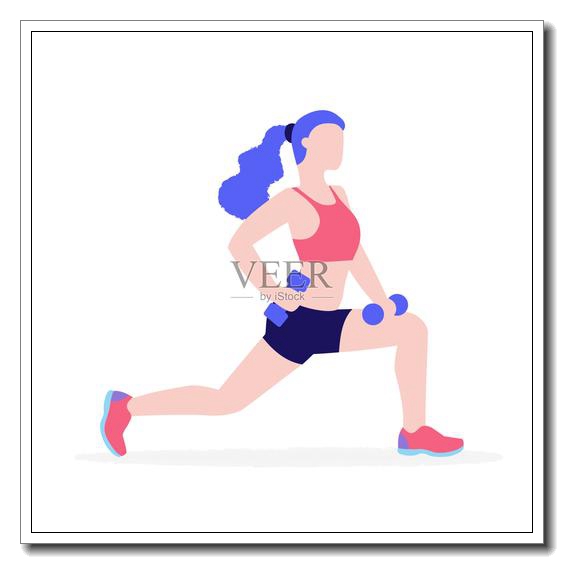
Describing exercise types accurately involves using precise vocabulary and specifying the activity’s nature. Here’s a guide to help you describe various forms of exercise in English.
Cardiovascular Exercise
Cardio exercises involve the heart andlungs, improving endurance and overall cardiovascular health. They often involve sustained physical activity.
-
Running:
A popular cardio exercise that involves moving the legs rhythmically. -
Swimming:
Full-body exercise that is low-impact on the joints. -
Cycling:
A low-impact cardio exercise that can be done indoors or outdoors. -
Jumping rope:
A high-intensity cardio exercise that improves coordination and calorie burn. -
Hiking:
A cardio exercise that can be adjusted in intensity depending on terrain and pace.
Example: “I’m going for a run to get my cardio in.”
Strength Training
Strength training builds muscular strength and endurance. It usually involves using weights or body weight.
-
Weightlifting:
Using weights to lift, pull, or press. -
Bodyweight exercises:
Using your own body weight for resistance, such as push-ups, squats, and sit-ups. -
Resistance bands:
Using bands with varying resistance levels for exercises. -
Plyometrics:
Explosive movements to build power, such as box jumps or jump squats.
Example: “I’m hitting the gym for some strength training today.”
Flexibility and Stretching Exercises
Stretching exercises improve flexibility andrange of motion, aiding in injury prevention and reducing muscle stiffness.
-
Yoga:
A practice involving physical postures, breathing techniques, and meditation. -
Pilates:
A system of exercises focusing on core strength and flexibility. -
Static stretching:
Holding a stretch for a period of time. -
Dynamic stretching:
Moving stretches that involve controlled movement.
Example: “I’m doing some yoga to improve my flexibility.”
Other Types
There are many other types of exercise, such as martial arts, dance, and team sports.