

How to Use 锻炼 and 锻练 Correctly
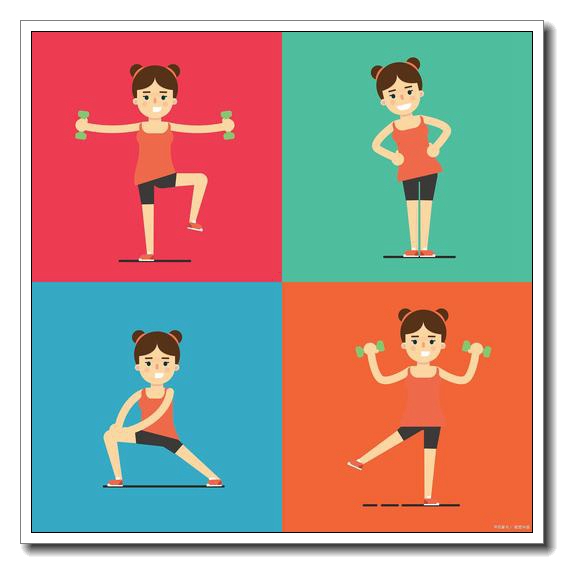
Both 锻炼 (duànliàn) and 锻练 (duànliàn) are often translated as “exercise” or “training” in English, but they have subtle differences in usage. Knowing these nuances will help you avoid common mistakes.
锻炼 (duànliàn)
This word is the more common and generally accepted formfor “exercise,” “training,” or “cultivating” something. It implies a process of improving oneself in a certain area, physically, mentally, or even spiritually.
Example:
我每天都要锻炼身体。(Wǒ měitiān dōu yào duànliàn shēntǐ.) – I need to exercise my body every day.
Example:
通过学习,他不断锻炼自己的能力。(Tōngguò xuéxí, tābùduàn duànliàn zìjǐ de nénglì.) – Through studying, he constantly cultivates his abilities.
锻练 (duànliàn)
This less common form is primarily used for the
physical
training of something, usually a material, like steel. While it can be used for human training in a very specific context, it is rare. A more direct and natural translation for this use case is often “toughening” or “forging.”
Example (less common, physical training):
他们利用特殊的训练方法来锻练士兵的意志。(Tāmen lìyòng tèshū de xùnliàn fāngfǎ lái duànliàn shìbing de yìzhì.) – They use special training methods to forge/toughen the soldiers’ wills.
Example (forging metal):
工人在锻练钢材。(Gōngrén zài duànliàn gāngcái.) – The workers are forging the steel.
Key Takeaway
In most general contexts, use
锻炼
. If you’re talking about strengthening a material, or a particular kind of physical training related to material processes, then
锻练
might be appropriate, though less common in spoken or written Chinese outside of very specificcontexts.