

Equipment used: Weights, resistance bands, or just your bodyweight?
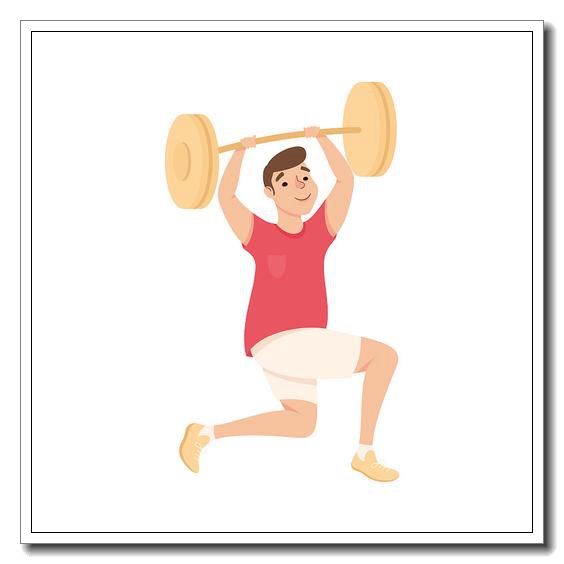
Choosing the right equipment for your workouts is crucial for achieving your fitness goals. Whether you’re looking to build muscle, improve strength, or simply maintain your fitness, the tools you use can significantly impact your progress. This article explores the pros and cons of using weights, resistance bands, and bodyweight training to help you make informed decisions about your workout routine.
Weights
Weights, including dumbbells, barbells, and kettlebells, are a staple in many strength training programs. They offer a direct and adjustableform of resistance, allowing for progressive overload – gradually increasing the weight to challenge your muscles and promote growth.
- Pros:
- Highly effective for building muscle mass and strength.
- Offer a wide range of exercises to target various muscle groups.
- Allow for quantifiable progress tracking (e.g., how much weight you can lift).
- Can be used for compound exercises, which work multiple muscle groups simultaneously.
- Cons:
- Require more space and storage.
- Can be expensive to purchase afull set.
- Risk of injury if proper form is not maintained.
- May not be ideal for beginners who lack proper instruction.
Resistance Bands
Resistance bands provide aversatile and portable way to add resistance to your workouts. They come in various levels of resistance, making them suitable for all fitness levels. The tension provided by resistance bands increases as you stretch them, offering a unique type of resistance.
- Pros:
- Affordable and readily available.
- Portable and easy to use anywhere.
- Suitable for all fitness levels, including beginners.
- Offers a constant tension throughout the exercise, challenging muscles in a unique way.
- Reduce the risk of injury compared to weights.
- Cons:
- May not be as effective for building extreme muscle mass as weights.
- Resistance levels can be limited for experienced lifters.
- Durability can be a concern with some bands.
- Can be more challenging to target specific muscle groups precisely.
Bodyweight Training
Bodyweight training utilizes your own body weight as resistance. This form of exercise is accessible, requires no equipment (besides perhaps a pull-up bar), and is a great foundation for overallfitness. Exercises like push-ups, squats, lunges, and planks are fundamental bodyweight movements.
- Pros:
- Accessible and requires no equipment (or minimal equipment).
- Can be done anywhere, anytime.
- Greatfor developing functional strength and improving core stability.
- Improves body awareness and control.
- Suitable for all fitness levels, as exercises can be modified to increase or decrease difficulty.
- Cons:
- Progress can be slower compared to weights for building significantmuscle mass.
- Progress can plateau if not varied with more challenging exercises or progressions.
- May be challenging to increase resistance over time. (Although progressions can be made such as one-legged pushups etc.)
Ultimately, the best choiceof equipment depends on your individual goals, experience level, and preferences. Consider the pros and cons of each option and experiment with different methods to find what works best for you. Many successful workout routines incorporate a combination of these methods to achieve a well-rounded and effective training program. Don’t be afraid to try eachand build your fitness the way you would like to.