

Which Workout is This?
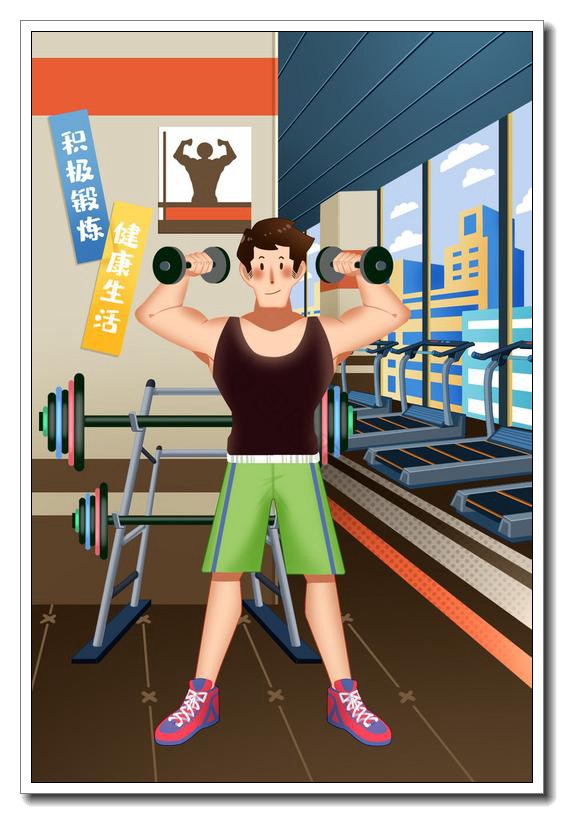
Ever find yourself at the gym, in a park, or even at home, watching someone exercise and wondering, “What kind of workout is that?” You might be curious about what they’re trying to achieve, what muscles they’re working, or if it’s something you’d like to try yourself. This article will help you understand different workout types, making it easier to identify them and learn more.
Common Workout Categories
Workouts can be broadly categorized based on their primary goals and methods. Here’s a breakdown of some of the most popular types:
-
Cardiovascular Exercise (Cardio): Designed to improve heart health and stamina. You’ll typicallysee these exercises boost your heart rate and breathing.
- Examples: Running, swimming, cycling, brisk walking, jump rope, dancing.
- Key Indicators: Increased heart rate, heavy breathing, sweating.
-
Strength Training(Resistance Training): Focuses on building muscle mass and strength. Involves using resistance, such as weights, resistance bands, or your own body weight.
- Examples: Weightlifting, push-ups, squats, pull-ups, using resistance machines.
- Key Indicators: Lifting weights, use of resistance bands, visible muscle strain.
-
High-Intensity Interval Training (HIIT): Involves short bursts of intense exercise followed by brief recovery periods. Excellent for burning calories and improving cardiovascularfitness in a short amount of time.
- Examples: Sprint intervals, burpees, jumping jacks, mountain climbers.
- Key Indicators: Short periods of intense effort followed by rest; rapid breathing and heart rate.
-
Flexibility and Mobility Training: Improves range of motion, and reduces muscle tightness. This is often focused on improving posture and preventing injuries.
- Examples: Stretching, Yoga, Pilates.
- Key Indicators: Slow, controlled movements;holding poses; focus on breathing.
Tips for Identifying Workouts
To figure out what a person is doing, pay attention to these things:
- Equipment Used: Is the person using weights, a treadmill, a yoga mat, or nothing at all?
- Movements: Are they doing repetitive movements like running or lifting weights? Are they holding poses?
- Breathing and Effort: Arethey breathing heavily? Are they exerting a lot of effort?
- Workout Structure: Is it a continuous activity, or are there breaks? How long does the exercise last?
By observing these elements, you can usually.
Knowing what kind of workout someone is doing can give you more insight into the world of fitness and may even inspire you to try something new. So, keep observing and learning!