

What Is the Best Form of Exercise?
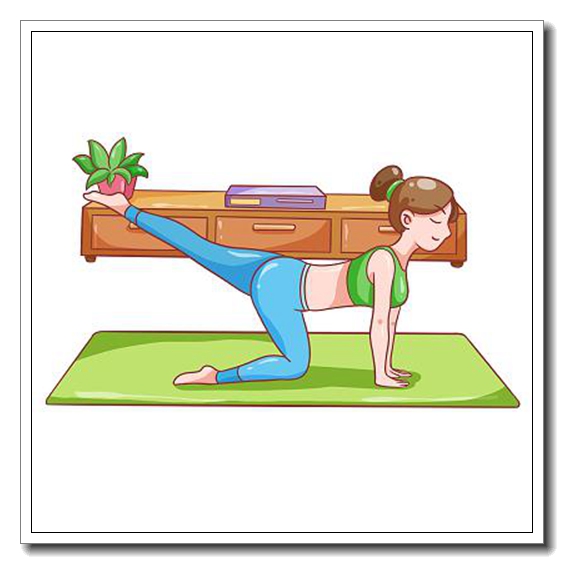
The “best” form of exercise is a question that doesn’t have a single, definitive answer. The ideal exercise regimen depends heavily on individual factors, including your goals,current fitness level, preferences, and any physical limitations you may have.
Instead of focusing on a single “best” exercise, it’s more beneficial to understand the different types of exercise and how they contribute to overall health and well-being. Here’s a breakdown of some prominentcategories:
1. Cardiovascular Exercise (Cardio)
Cardio exercises are designed to improve the health of your heart and lungs. These activities elevate your heart rate and breathing, burning calories and improving endurance.
Examples of cardio include:
- Running
- Walking (especially brisk walking)
- Swimming
- Cycling
- Dancing
- Jumping rope
Benefits of Cardio:
- Improved cardiovascular health
- Weightmanagement
- Increased energy levels
- Reduced risk of chronicdiseases (e.g., heart disease, stroke, diabetes)
2. Strength Training (Resistance Training)
Strength training involves using resistance (weights, resistance bands, or your own body weight) to build and maintain muscle mass. This type of exercise is crucial for overall strength, bone density, and metabolic health.
Examples of strengthtraining include:
- Weightlifting
- Bodyweight exercises (e.g., push-ups, squats, lunges)
- Using resistance bands
- Working with weightmachines
Benefits of Strength Training:
- Increased muscle mass and strength
- Improved bone density
- Boosted metabolism
- Betterbody composition
- Improved functional fitness (easier to perform daily tasks)
3. Flexibility and Mobility Exercises
These exercises focus on improving your range of motion and flexibility. They help reduce stiffness, improve posture, and prevent injuries.
Examples of flexibility and mobility exercises include:
- Stretching
- Yoga
- Pilates
- Foam rolling
Benefits of Flexibility and Mobility Exercises:
- Improved flexibility and range of motion
- Reduced risk of injury
- Better posture
- Reduced muscle soreness
4. Considerations for Choosing Exercise
When choosing the best exercise for you, consider these factors:
-
each week?
- Any Medical Conditions or Limitations: Consult with a doctor or physical therapist before starting a new exercise program, especially if you have any pre-existing health issues.
Conclusion
The best form of exercise is the one you enjoyand can stick with consistently. A well-rounded fitness program typically includes a combination of cardio, strength training, and flexibility exercises. Listen to your body, be patient, and make exercise a sustainable part of your lifestyle. Remember to consult with a healthcare professional before starting any new exercise program.