

锻练身体(duànliàn shēntǐ) – To exercise the body (less common, implying more strenuous activity)
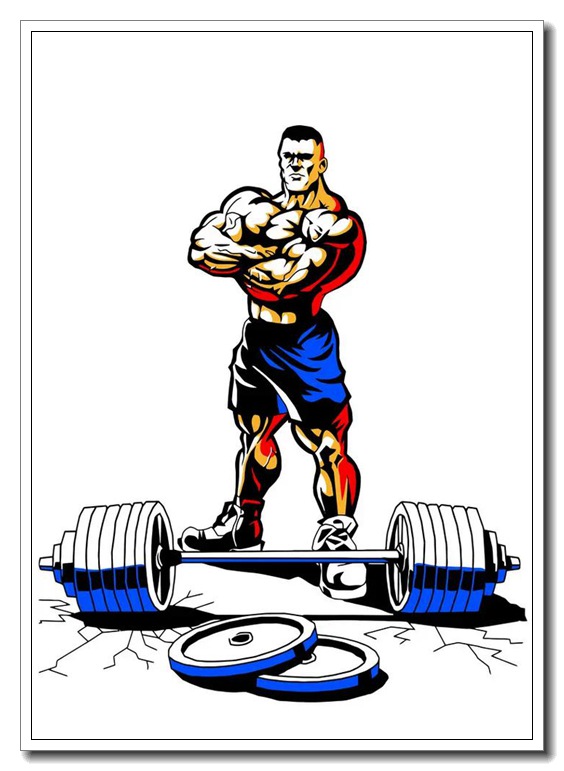
In the realm of learning Chinese, understanding nuances in vocabulary is crucial. Let’s explore the phrase “锻练身体” (duànliàn shēntǐ).
What does it mean?
“锻练身体” (duànliàn shēntǐ) literally translates to “to exercise the body” or “to train the body”. It directly refers to the act of physical exercise.
Nuances and Usage
While seemingly straightforward, “锻练身体” carries a subtle weight and is often considered a less common, and usually more emphatic, way to express exercise compared to other options. It implies a degree of:
- More Strenuous Activity: This phrasetypically suggests exercises that are more physically demanding, perhaps involving effort, dedication, and a certain degree of rigor. Think of activities like weight training, long-distance running, or intense sports training.
- Training/Drilling: The character “锻” (duàn) specifically hints at refining or forging, suggesting a process of improvement through repetitive practice or training. Thus, this phrase can imply a more structured or disciplined approach to exercise.
- Less Commonly Used: Compared to phrases like “运动 (yùndòng – to exercise / sports)”, “锻炼身体 (duànliàn shēntǐ – to exercise the body; a very common term)”, or “做运动 (zuò yùndòng – to do exercise)”, “锻练身体” is less frequently heard in everyday conversation.
Examples
Here are a few examples to illustrate its usage:
- 他每天都锻练身体,为了参加比赛。(Tā měitiān dōu duànliàn shēntǐ, wèile cānjiā bǐsài.) – He exercises his body every day in order to participate in the competition. (Implies rigorous training).
- 为了备战马拉松,她每天都锻练身体。(Wèile bèi zhàn mǎlāsōng, tā měitiān dōu duànliàn shēntǐ.) – To prepare for the marathon, she exercises her body every day. (Focuses on the intensivetraining regime).
In Summary
“锻练身体” (duànliàn shēntǐ) is a valuable phrase to add to your Chinese vocabulary. While it means “to exercise the body,” remember its connotations of more strenuous activity, structured training, anda slightly less common usage compared to other exercise-related verbs. Understanding these subtle distinctions will improve your comprehension and allow you to communicate more effectively.