

Decoding Duànliàn: Understanding its Translation and Usage
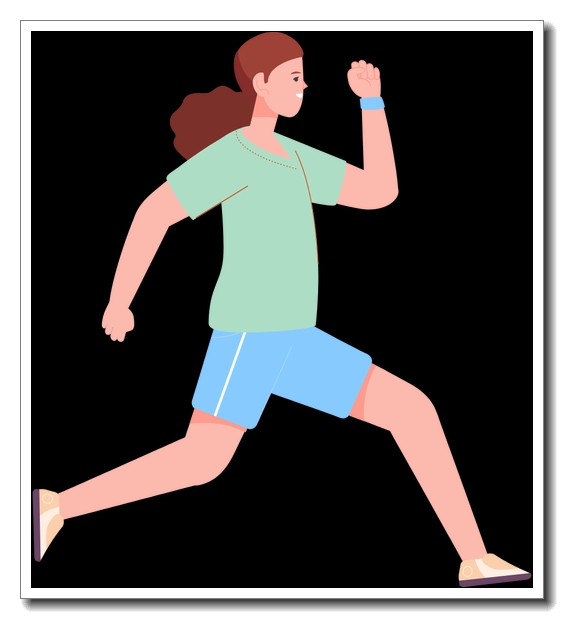
The Chinese word “Duànliàn” (锻炼) is a commonand versatile term that holds significant meaning within Chinese culture. Understanding its nuances and applications can greatly enhance your comprehension of the language and its cultural context. This article delves into the translation of Duànliàn, its various meanings, and its common usages.
Translation and Core Meaning
Theprimary translation of “Duànliàn” into English is “to exercise,” “to train,” or “to temper.” However, the core meaning extends beyond just physical activity. It encompasses the idea of strengthening, either physically, mentally, or even spiritually. The word inherently suggests a process of improvementthrough repeated effort and challenges.
The characters that make up Duànliàn offer a further layer of understanding:
- 锻炼 (Duànliàn): The characters and their approximate meanings are:
- 鍛 (Duàn):This character refers to “to forge” or “to temper,” often used in the context of metalworking. This hints at the idea of shaping and refining through heat and pressure.
- 煉 (Liàn): This character means “to refine” or “to purify,” further emphasizing the process ofimprovement and removing impurities.
Multiple Meanings and Applications
Duànliàn’s flexible meaning allows it to be used in a variety of contexts:
-
Physical Exercise: The most common usage is referring to physical exercise.Examples include:
- 我每天都锻炼身体。 (Wǒ měi tiān dōu duànliàn shēntǐ.) – I exercise every day.
- 他喜欢锻炼肌肉。 (Tā xǐhuan duànliàn jīròu.) – Helikes to exercise his muscles.
-
Training and Skill Development: Duànliàn can also describe the process of training for a specific skill or profession, mental or physical. For instance:
- 运动员正在锻炼。 (Yùndòngyuán zhèngzài duànliàn.) – The athletes are in training.
- 我们需要锻炼领导能力。 (Wǒmen xūyào duànliàn lǐngdǎo nénglì.) – We need to develop leadership skills.
-
Personal Improvement and Self-Discipline: It can be used metaphorically to describe the act of improving oneself, building character, or overcoming challenges. Examples:
- 锻炼意志力。 (Duànliàn yìzhìlì.) – To exercise willpower.
- 她正在锻炼克服困难的能力。 (Tā zhèngzài duànliàn kèfú kùnnan de nénglì.) – She is developing the ability to overcome difficulties.
Common Phrases and Expressions
Here aresome frequently used phrases that incorporate “Duànliàn”:
- 锻炼身体 (Duànliàn shēntǐ): To exercise; to work out.
- 锻炼思维 (Duànliàn sīwéi): To train one’s thinking; to sharpen one’s mind.
- 锻炼意志 (Duànliàn yìzhì): To train one’s will; to exercise self-discipline.
- 锻炼机会 (Duànliàn jīhuì): Opportunity for training/practice.
Conclusion
Understanding “Duànliàn” requires recognizing its multifaceted nature. While its core meaning relates to exercise and training, it carries a deeper implication of personal growth and continuous improvement. By understanding the various contexts in which this word is used, you can gain a more comprehensiveunderstanding of the nuances of the Chinese language and the values it represents.