

The Nuances of Exercise and Conditioning
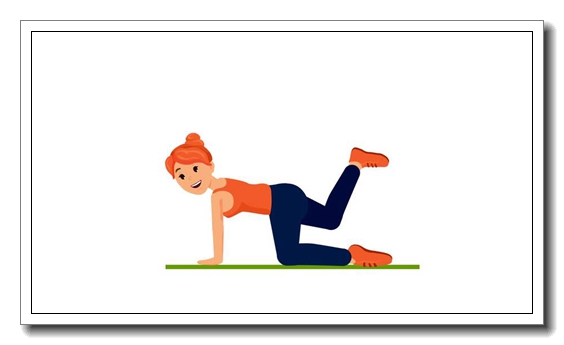
Exercise and conditioning are often used interchangeably, but understanding the subtle differences between them is crucial for achieving specific fitness goals. While both involve physical activity, they have distinct focuses and methods.
What is Exercise?
At its core, exercise encompasses any planned, structured, and repetitive bodily movement performed to improve or maintain one or more components of physical fitness. It’s about consciously engaging in physical activity for a defined purpose. Exercise can take many forms, including:
- Cardiovascular Training: Activities like running, swimming, or cycling that elevate heart rate and improve cardiovascular health.
- Strength Training: Activities like weightlifting or bodyweight exercises that build muscle strength and endurance.
- Flexibility Training:Exercises like stretching or yoga that improve range of motion and flexibility.
- Balance and Coordination Training: Activities that challenge stability and improve coordination, such as balance board exercises or Tai Chi.
The key characteristic of exercise is its deliberate and structured nature. It’s often plannedwith specific goals in mind, such as weight loss, increased muscle mass, or improved endurance.
Understanding Conditioning
Conditioning, on the other hand, is a broader term that refers to the process of adapting the body to the demands of physical activity. It’s the result of consistent exercise and the subsequent physiological changes that occur. Think of it as the body’s response to the demands placed upon it.
Conditioning encompasses a wider scope than just physical exercise and includes:
- Cardiovascular Conditioning: Improvedheart and lung function, enhanced blood flow, and increased stamina.
- Muscular Conditioning: Increased muscle size, strength, and endurance.
- Metabolic Conditioning: Improved efficiency of energy utilization and fat burning.
- Neuromuscular Conditioning: Enhanced coordination, balance, and reaction time.
Effective conditioning aims to optimize the body’s ability to perform specific tasks or activities, whether it’s running a marathon, playing a sport, or simply performing daily activities with ease. It’s about adapting the body to the stresses and demands it encounters.
The Relationship Between Exercise and Conditioning
Exercise is the tool, and conditioning is the outcome. Regularly engaging in exercise leads to the development of enhanced conditioning. You can’t have one without the other.
For example:
- Going for a daily run (exercise) leads to improved cardiovascular conditioning (increased endurance, lower resting heart rate).
- Performing squats and deadlifts regularly (exercise) leads to improved muscular conditioning (increased strength, muscle size).
The type of exercise you choose will influence the specific type of conditioning you develop. A well-rounded fitness program typically incorporates a variety of exercises to achieve comprehensive conditioning across multiple fitness components.
Conclusion
While often used interchangeably, understanding the differencebetween exercise and conditioning allows for a more focused and effective approach to fitness. By consciously engaging in exercise and understanding the resulting conditioning effects, you can tailor your training to achieve your desired fitness goals and optimize your overall health and well-being.