

Unpacking 锻炼与锻练: Physical Exercise and Skill Enhancement in the Chinese Language
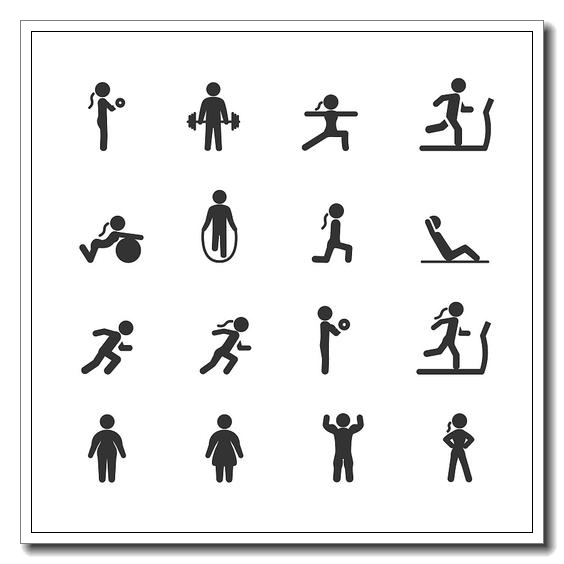
Learning Chinese involves navigating many nuances, from tones and characters to grammar and vocabulary. Two words that often cause confusion for learners are 锻炼 (duànliàn) and 锻练 (duànliàn). Both are pronounced the same and share a similar meaning, reflecting the concepts of physical training and improvement. However, understanding their subtle differences will elevate your comprehension and usage of the language.
The SharedCore: Strengthening and Conditioning
At their core, both 锻炼 and 锻练 represent the idea of strengthening or conditioning something. This can apply to the body, mind, or even a skill. Both words convey the process of improvement through practice and repeated action. Forthis reason, they can often be used interchangeably, especially in a more general sense.
Translation: Strengthening, training, tempering, to exercise
Breaking Down the Differences: Focus and Application
While often interchangeable, the specific usage can be differentiated. However, it’s crucial to acknowledge that the distinction is sometimes subtle, and context plays a significant role in determining the most appropriate choice.
锻炼 (duànliàn) – Physical Exercise and Broader Application
锻炼 (duànliàn) is the more common and versatile of the two. It primarily focuses on physical exercise and physical training. This can range from a simple walk to competitive sports. Furthermore, it can also be used metaphorically to describe training or strengthening in a broader context, such as mentalor character development.
Examples:
-
他在锻炼身体。 (Tā zài duànliàn shēntǐ.)
He is exercising / working out.
-
锻炼你的意志力。 (Duànliàn nǐ de yìzhìlì.)
Train/Strengthen your willpower.
-
经常锻炼对健康有益。 (Jīngcháng duànliàn duì jiànkāng yǒuyì.)
Regular exercise is beneficial for health.
锻练(duànliàn) – More Focused on Skills and Expertise
锻练 (duànliàn) leans slightly more towards training a skill or developing expertise. It often emphasizes a more refined and purposeful process of honing a particular ability through repeated practice. This can be seenin situations involving professional training, skill-based activities, or the refining of a craft.
Examples:
-
他们正在锻练他们的团队协作能力。 (Tāmen zhèngzài duànliàn tāmen de tuánduì xiézuò nénglì.)
They are training their teamwork skills.
-
锻练他的绘画技巧。 (Duànliàn tā de huìhuà jìqiǎo.)
To train/ hone his painting skills.
-
锻练口语表达能力需要大量的练习。 (Duànliàn kǒuyǔ biǎodá nénglì xūyào dàliàng de liànxí.)
Training oral expression skills requires a lot of practice.
In Conclusion
Both 锻炼 and 锻练are valuable terms in the Chinese language. While the difference might be subtle, understanding their nuanced meanings allows for more precise and effective communication. Use 锻炼 for general physical exercise and for building skills more broadly, and lean towards 锻练 when emphasizing skill development and the pursuit of expertise. The best way tomaster these words is through consistent exposure, practice, and careful observation of their usage in context. Happy learning!