Exercise vs. Training: A Comprehensive Essay and Analysis
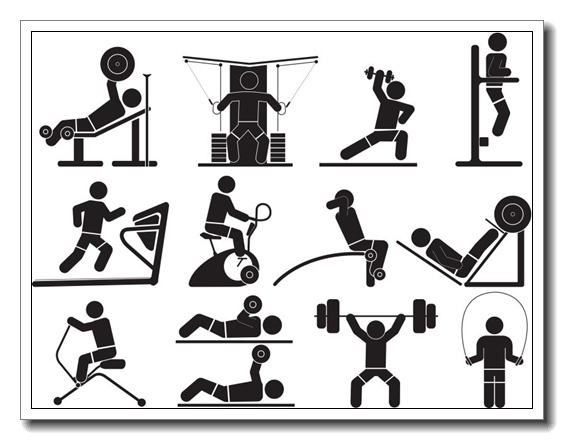
The terms “exercise” and “training” are often used interchangeably, but they represent distinct approaches to physical activity with varying goals, methodologies, and outcomes. While both involve physical exertion, understanding the nuances between exercise and training is crucial for achieving specific fitness objectives and optimizing performance. This essay delves into the keydifferences, examining their definitions, purposes, planning, and practical applications.
Defining Exercise and Training
Exercise can be defined as any planned physical activity undertaken to improve or maintain physical fitness. It’s often recreational, focusing on generalhealth and well-being. Think of activities like a brisk walk, a leisurely bike ride, or a casual swim. The primary focus is typically on immediate benefits like improved mood, energy levels, and overall health.
Training, on the other hand, is amore structured and goal-oriented approach to physical activity. It involves a systematic plan designed to enhance specific physical abilities or prepare for a particular event. This often includes progressive overload, structured rest and recovery, and a focus on measurable improvements. Examples include marathon preparation, weightlifting programs, or sport-specific skill development.
Key Differences: Purpose, Planning, and Intensity
The core distinction lies in their purpose and, consequently, their planning and intensity levels. Here’s a breakdown:
-
Purpose: Exercise primarily focuses on general health and well-being. Training aims for performance enhancement, skill development, or preparation for a specific event.
-
Planning: Exercise often lacks a detailed plan; it’s more spontaneous. Training involves a structured plan with specific goals, periodization, and progressive overload.
-
Intensity: Exercise can range from low to moderate intensity. Training typically involves periods of high intensity, carefully managed to allow for adaptation and recovery.
-
Measurement: Exercise benefits are less directly measured.Training relies on measurable progress, tracking data such as strength gains, speed improvements, or endurance increases.
Practical Applications and Examples
Consider these examples to illustrate the practical differences:
-
Exercise: A person aiming to maintain general fitness might go for a 30-minute walk three times a week. This is exercise.
-
Training: A person preparing for a marathon would follow a detailed running plan, including interval training, longruns, and rest days, progressively increasing mileage and intensity over several months. This is training.
-
Exercise: A person performing bodyweight exercises at home for 20 minutes a day is exercising.
-
Training: Anindividual following a structured weightlifting program with specific sets, reps, and weights, aiming to increase their squat maximum, is training.
Benefits of Both Exercise and Training
Both exercise and training offer numerous health benefits, albeit with slightly different focuses:
Conclusion
In conclusion, while both exercise and training involve physical activity, they serve distinct purposes. Exercise prioritizes overall health and well-being through general physical activity, while training centers on achieving specific performance goals through a structured and systematic approach. Understanding these differences allows individuals to choose activities that best align with their desired outcomes, fostering a healthier and more fulfilling lifestyle. Whether you choose to exercise, train, or a combination of both, consistent physical activity is a cornerstone of overall health and well-being.
Key improvements and explanations:HTML Structure: Uses semantic HTML elements (e.g., `
`, `
`, `
`, `
-
`) for better structure and accessibility. The `head` section includes a viewport meta tag for responsive design.CSS Styling: Embedded CSS for basicformatting:Clear font choices and line height for readability.Margins for better spacing.Highlighting of key components.A visually distinct area for the introduction and conclusion.Logical Flow: The essay structure mirrors the original content, following aclear introduction, definition, comparison, and conclusion.Emphasis: Uses “ tags to highlight important terms and concepts, as requested in the prompt.Lists: Uses a properly formatted unordered list (`
`, `
-
`) for the comparison of key differences and examples making the content easier to scanand understand.Readability: Improved sentence structure and word choice for better readability.Accuracy: Accurately reflects the nuances between exercise and training.Responsiveness: The “ tag makes the webpage responsive to different screen sizes.This comprehensive HTMLstructure creates a well-formatted and easy-to-read essay. It also incorporates SEO best practices by using semantic HTML and clean, organized structure.

