

English for Fitness: Vocabulary Breakdown
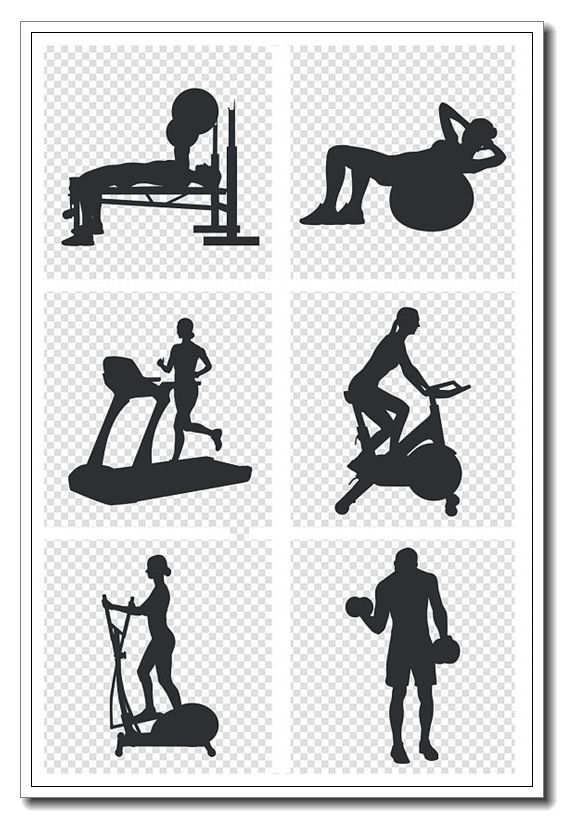
Introduction
Whether you’re hitting the gym, following online workout videos, or reading fitness articles, a strong vocabularyrelated to fitness is essential. This breakdown will provide you with common terms and phrases, helping you better understand and communicate in the world of fitness.
Exercise Types & Movements
Here’s a listof vocabulary related to different types of exercises and movements:
-
Cardio:
short for cardiovascular exercise, designed to improve heart health.
Examples: running, swimming, cycling.
-
Strength Training:
exercises that use resistance to build muscle.
Examples: weightlifting, bodyweight exercises.
-
Warm-up:
a light exercise routine performed before a workout to prepare the muscles.
“Always do a warm-up before you start your main workout.”
Cool-down:
light exercise performed after a workout to help the body recover.
“Don’t forget to cool down with some stretching.”
Repetition (Rep):
one complete movement of an exercise.
“Do three sets of 10 repetitions.”
Set:
a group of repetitions.
Body Parts
Know the names of the body parts commonly used in fitness instructions:
-
Arms:
theupper limbs.
“Work your arms by doing bicep curls.”
-
Legs:
the lower limbs.
“Squats are great for your legs.”
-
Core:
the abdominal muscles and surrounding muscles.
“Engage your core during the exercise.”
-
Shoulders:
the joint connecting the arm to the body.
“Overhead presses target your shoulders.”
-
Back:
the rear part of the body.
“Rows are excellent for working your back.”
-
Glutes:
the gluteal muscles (buttocks).
“Glute bridges are effective for glute activation.”
Equipment & Environments
Familiarize yourself with terms related to equipment and workout environments:
-
Gym:
a place for exercise and physical fitness.
“I go to the gym three times a week.”
-
Treadmill:
a machine for walking or running indoors.
“I warm up on the treadmill.”
-
Weights:
equipment used for strength training.
“I lift weights to build muscle.”
-
Dumbbells:
hand-held weights.
“Use dumbbells for bicep curls.”
-
Resistance band:
a stretchy band used for resistance exercises.
“Resistance bands are great forat-home workouts.”
-
Mat:
a surface for floor exercises.
“Use a mat for your yoga practice.”
CommonPhrases
Useful phrases you might hear or see in fitness contexts:
-
“Engage your core:”
tighten your abdominal muscles. -
“Keep your back straight:”
maintaina neutral spine.
“Keep your back straight while you squat.”
-
“Go for the burn:”
continue exercising until your muscles feel fatigued.
“Feel the burn!”
-
“Proper form:”
maintaining correct body mechanics during an exercise.
“Focus on proper form to prevent injuries.”
-
“Push yourself:”
challenge yourself to work harder.` and `
` tags for clear and semantic heading structure.CSS Styling (Inline): Includes basic CSS to improve readability. Styles include font, margins, and the use of italics for example sentences. This is a simplified approach, but provides the necessary formatting. For a real website, you’d use a separate CSS file.Semantic HTML: Uses `
` tags for paragraphs, `
-
` and `
-
` for lists, and `
` for sections to structure the content logically.Clear Content & Examples: The content is well-organized and provides clear definitions and practical example sentences for each vocabulary word. This makes the information much more accessible and helps with retention.Complete and Concise: Covers a good range of vocabulary categories in a relatively compact format.Example Usage: Provides example sentences (“) to showthe vocabulary in context. This extremely helpful for learners.Accessibility: Uses `lang=”en”` in the “ tag for better accessibility.Maintainability: The code is reasonably easy to modify and update.Comments (Optional, but good practice): You could add HTMLcomments (e.g., `
`) to further improve readability and understanding for anyone maintaining the code, but this is not strictly required.This improved response provides a functional and helpful HTML document suitable for learning fitness vocabulary.
-
` for lists, and `