

Whats the English Translation of 锻炼身体?
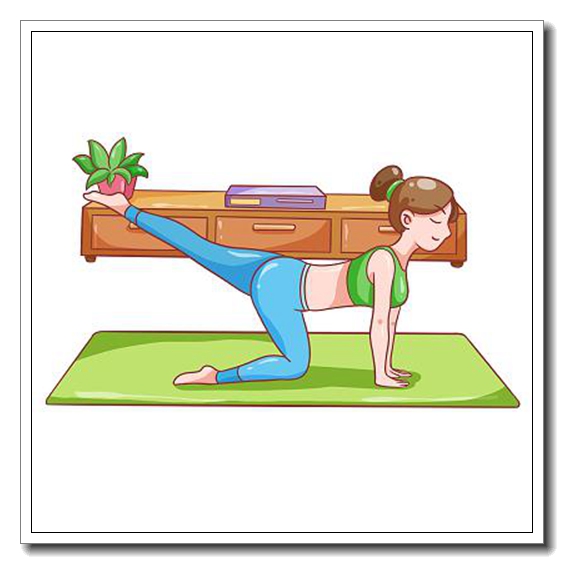
The Chinese phrase 锻炼身体 (duànliàn shēntǐ) translates to severaldifferent phrases in English, depending on the context and the nuance you want to convey. The most common and direct translations are detailed below:
Common Translations
- To exercise – This is the most common and versatile translation. It’s a general term that covers a wide range of physical activities.
- To work out – Similar to “to exercise,” but often implies a more structured and intense physical activity, such as at a gym.
- To train (your body) – This emphasizes the process of improving physical fitness through exercise.
Here are some examples of how you might use these translations in a sentence:
- “我每天都锻炼身体。” (Wǒ měitiān dōu duànliàn shēntǐ.) -“I exercise every day.” or “I work out every day.”
- “她为了参加比赛锻炼身体。” (Tā wèile cānjiā bǐsài duànliàn shēntǐ.) – “She is training (her body) to compete in the competition.”
In short, the best English translation of 锻炼身体 depends on the specific context, but generally “to exercise,” “to work out,” or “to train” fit the meaning well.