

身体: English Translation and Pronunciation
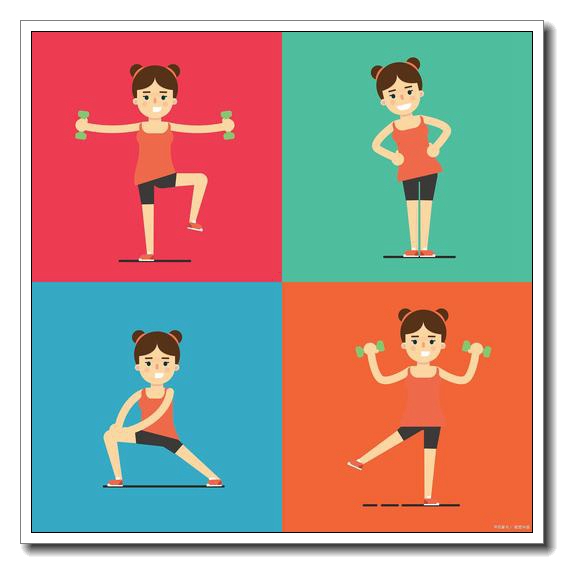
The Japanese word “身体” (karada) refers to the body. Let’s explore its meaning, English translation, and pronunciation.
Meaning and Usage
“身体” (karada) encompasses the physical structure of a human being or animal. It’s used in a wide range of contexts, from describing someone’s physical health to referring to the body as a whole or parts of it.
Examples of usage include:
- “身体が弱い” (karada ga yowai): “Weak body” or “Poor health”
- “身体を動かす” (karada o ugokasu): “To move the body”
- “身体の痛み” (karada no itami): “Body pain”
English Translation
The primary English translation of “身体” (karada) is body. However, the exacttranslation can vary slightly depending on the context. Other possible translations include:
- Physical form
- Frame
- (Depending on context) parts of the body such as limbs, etc.
Here’s a table showing some examples with translations:
| Japanese (Hiragana/Kanji) | Romaji | English Translation | Example Sentence (English) |
|---|---|---|---|
| からだ / 身体 | karada | Body | She takes good care of her body. |
| たいりょく / 体力 | tairyoku | Physical strength / Stamina | You need to build up your stamina. |
| て / 手 | te | Hand | He raised his hand. |
| あし / 足 | ashi | Foot / Leg | His leg was hurting. |
Pronunciation
The pronunciation of “身体” (karada) is relatively straightforward. It’s broken down as follows:
- ka (like “car” without the “r”)
- ra (like “rah” without the “h”)
- da (like “dah”)
So, the pronunciation is:
ka-ra-da
You can often find audio pronunciations online using resources like Google Translate or Forvo (a crowdsourced pronunciation dictionary).
In Summary
TheJapanese word “身体” (karada) means “body.” Understanding its meaning and pronunciation is essential for anyone learning Japanese. Remember the core translation, and consider the context for the most accurate interpretation.