

How to Say 身体 in English
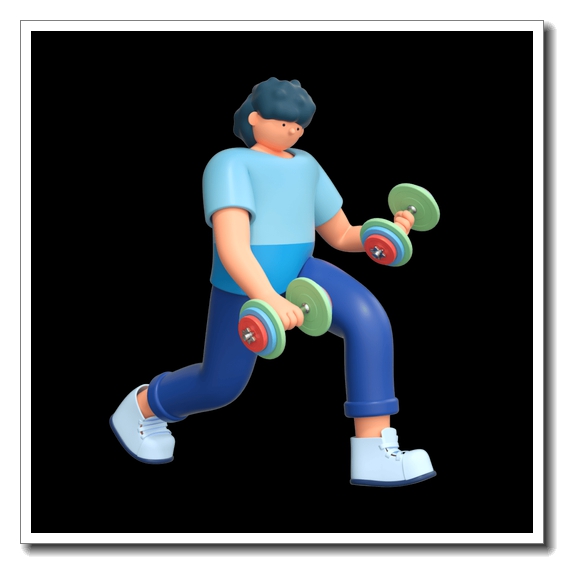
The Chinese word 身体 (shēntǐ) is a fundamental term that translates to “body” in English. However, like many words, the best English translation can vary slightly depending onthe context.
Here’s a breakdown of the most common and appropriate ways to say 身体 in English:
-
“Body”: This is the most direct and generally applicable translation. It’s suitable for the majority of situations.
Example: 他锻炼身体。 (Tā duànliàn shēntǐ.) – He exercises his body. / He exercises.
-
“Health”: In some contexts, particularly when discussing overall well-being, “health” is a good fit.
Example: 他身体很好。 (Tā shēntǐ hěn hǎo.) – He is in good health.
-
“Physical condition”: This emphasizes the state of one’s body, its abilities, and limitations.
Example: 他的身体状况不佳。 (Tā de shēntǐ zhuàngkuàng bù jiā.) – His physical condition is not good.
-
“Physique”: This refers to the build and shape of a person’s body, often used to describe their physical appearance.
Example: 他有强壮的身体。 (Tā yǒu qiángzhuàng deshēntǐ.) – He has a strong physique.
-
Contextual Variations: Depending on the specific nuance, you might encounter other translations, but these are the main ones:
- “Stature” (describing height and build)
- “Frame” (referring to the physical structure)
Key takeaway: While “body” is the most direct translation, consider the specific meaning you want to convey and choose the English word that best fits the context. Think about whetheryou’re talking about appearance, health, or the body’s state.