

English Pronunciation of 锻炼: A Detailed Guide
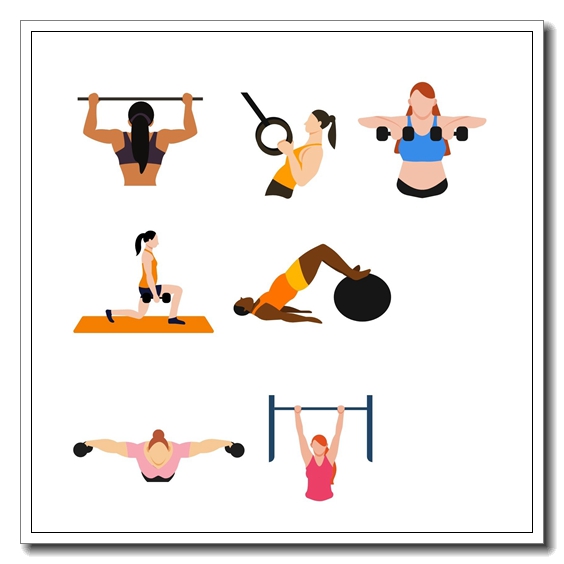
Understanding the correct pronunciation of Chinese words can be tricky, especially for those learning Mandarin. This guide focuses on the pronunciation of
锻炼 (duànliàn)
, which means “to exercise” or “to train,” providing a breakdown andpractical tips for English speakers.
Pronunciation Breakdown
Let’s break down the pronunciation of 锻炼 (duànliàn) into its individual syllables:
-
锻炼 (duàn)
:
DWAHN
(approximate English equivalent) – This syllable is often the trickiest for English speakers. Think of it as a blend of “d” and a sound similar to “wahn” as in “dawn.” The “u” sound is short, almost disappearing in the rapidflow of Mandarin. -
练 (liàn)
:
LYEN
(approximate English equivalent) – This syllable has a sound similar to “lye” as in “dye” with a nasalized “n” sound at the end.
Important Notes:
1.
Tones:
The official pronunciation with tones is
duàn (4th tone) liàn (4th tone)
. The fourth tone is afalling tone, meaning the pitch descends sharply. Practice speaking the tones correctly to be understood.2.
Romanization:
The pinyin romanization is duànliàn. Understanding pinyin is crucial for learning Mandarin pronunciation.
Tips for Practice
-
Listen to Native Speakers:
The best way to learn the correct pronunciation is by listening to native Mandarin speakers. There are many online resources available, such as:- Chinese language learning apps (e.g., Duolingo, HelloChinese)
- Onlinedictionaries with audio pronunciation (e.g., Pleco, MDBG)
- YouTube channels and podcasts focused on Mandarin pronunciation.
-
Practice Regularly:
Consistency is key. Practice saying “duànliàn” daily, even if it’s just afew times. -
Record Yourself:
Record yourself saying the word and compare your pronunciation to that of a native speaker. This can help you identify areas for improvement. -
Break it Down:
If you find the entire word challenging, break it downinto syllables and practice each syllable individually. -
Focus on the Rhythm:
Mandarin has a distinct rhythm. Try to mimic the rhythm of native speakers when saying “duànliàn.”
Example Sentences
Hereare a few example sentences using 锻炼 (duànliàn) to help you practice:
-
我每天都锻炼身体。 (Wǒ měitiān dōu duànliàn shēntǐ.)
– I exercise every day. -
他正在锻炼他的英语口语。 (Tā zhèngzài duànliàn tā de yīngyǔ kǒuyǔ.)
– He is practicing his spoken English.
By following these tips and practicing consistently, you’ll be well on your way to mastering the English pronunciation of 锻炼 (duànliàn).