

Improving Your English: Learning Physical Adverbs
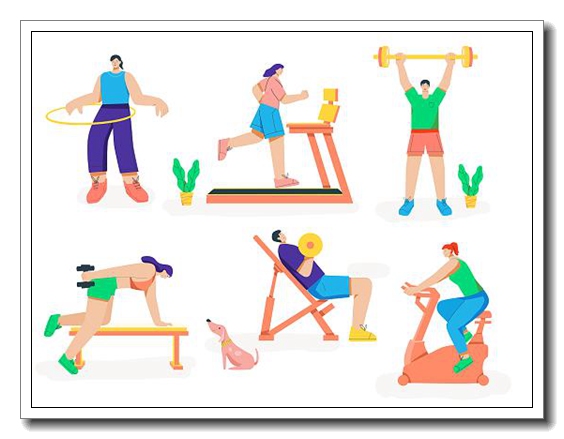
Physical adverbs, also known as adverbs of place or adverbs of position, describe where something happens or where someone is located. They add important details to your sentences and help paint a clearer picture of the action. Mastering these adverbs will significantly improve your ability to express yourself naturally and precisely in English.
What are Physical Adverbs?
Physicaladverbs tell us about the location or direction of an action. They answer the question “Where?” They can modify verbs, adjectives, or even other adverbs. Understanding and using these adverbs correctly is key to effective communication.
Common Physical Adverbs and Their Usage
Here aresome of the most common physical adverbs, categorized for easier learning:
1. Adverbs of Place (Static Location)
These adverbs describe a fixed position or location:
-
Here: Indicates a position near the speaker.
I am standing here.
-
There: Indicates a position away from the speaker.
The book is there on the table.
-
Everywhere: Inall places.
The children played everywhere in the park.
-
Nowhere: In no place.
I could find my keys nowhere.
2. Adverbs of Movement (Direction)
These adverbs describe the direction of movement:
-
Up: Towards a higher position.
The balloon went up.
-
Down: Towards a lower position.
The cat fell down the stairs.
-
Inside: Into a contained space.
Please come inside.
-
Outside: Out of a contained space.
Let’s go outside and play.
-
Forward: Moving ahead.
The soldiers marched forward.
-
Backward:Moving behind.
Please take a step backward.
-
Around: In a circular or surrounding motion.
She turned around.
-
Above: In a positionover something.
The plane flew above the clouds.
-
Below: In a position under something.
The submarine is below the surface.
example”>He walked towards the door.
Practice and Tips
To improve your understanding and use of physical adverbs:
- Read extensively: Pay attention to how native speakers use these adverbs in books, articles, and