

Fitness in English: Understanding the Proper Pronunciation
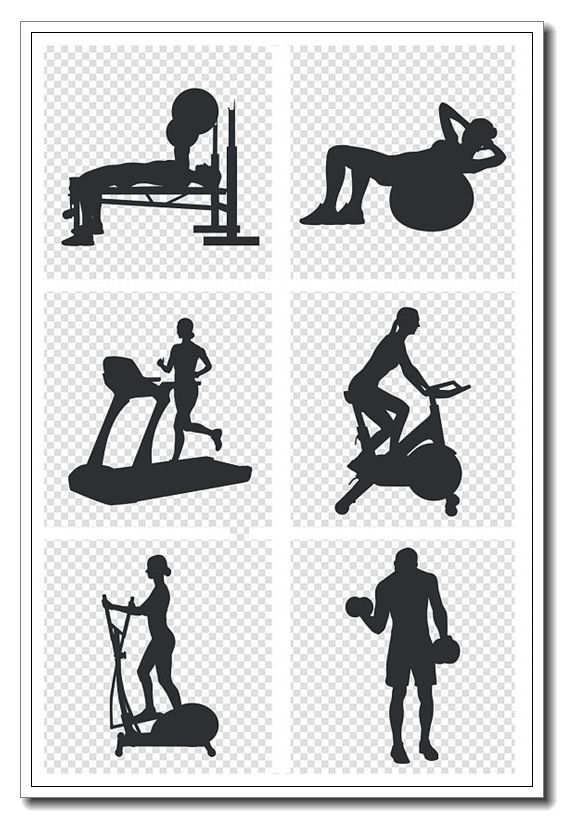
Learning English, especially when it comes to specializedvocabulary, can sometimes be tricky. One area where pronunciation often causes confusion is the world of fitness. While the concepts and exercises might be familiar, saying the words correctly is crucial for effective communication and understanding.
Why Pronunciation Matters
Correct pronunciation is vital for several reasons:
- Clarity: Ensuring you are understood by others, whether your personal trainer, classmates, or someone you’re communicating with online.
- Confidence: Speaking with confidence stems from knowing you’re correctly articulating the words.
- Professionalism: In a fitness setting, using proper terminology demonstrates professionalism and expertise.
Common Fitness Terms and Their Pronunciation
Let’s look at some commonly used fitness terms and their pronunciations. Note that pronunciation can vary slightly depending on the accent, but theseare generally accepted pronunciations.
Exercise Examples
Here are some examples of exercise-related terms and their pronunciations:
Aerobics
–
(air-OH-biks)
. Often used in group fitness classes.
Burpees
–
(BUR-pees)
. A challenging full-body exercise.
Cardio
–
(KAHR-dee-oh)
. Short for cardiovascular exercise.
Resistance
–
(ri-ZIS-tuhns)
. Used when working against an opposing force.
Weights
–
(WAYTS)
. Used during Strength training.
Gym Equipment Examples
Here are some examples of gymequiptment terms and their pronunciations:
Treadmill
–
(TRED-mil)
. A common piece of cardio equipment.
Dumbbells
–
(DUM-belz)
. Hand-held weights.