

Howto Say 锻炼 (Exercise) in English
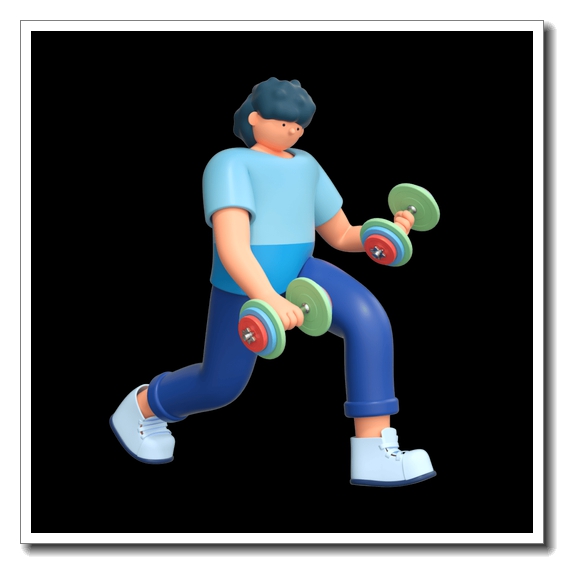
Understanding how to translate the Chinese word 锻炼 (duànliàn) into English is crucial for effective communication about health and fitness. While the single word “exercise” is often the most direct translation, the specific nuance of the context might require alternative words or phrases.
The Most Common Translation: Exercise
The most straightforward and widely applicable translation for 锻炼 (duànliàn) is exercise. It directly conveys the concept of physical activity performed to keepfit and healthy.
Examples:
- “I need to exercise more.” (我需要多锻炼。)
- “She goes to the gym to exercise regularly.” (她经常去健身房锻炼。)
- “Exercise is good for your heart.” (锻炼对你的心脏有益。)
Other Ways to Express 锻炼 (duànliàn)
Depending on the context, you can use other words and phrases to convey the meaning of 锻炼:
-
Work out: This is a common and informal term for exercising, particularly in a gym or fitness context.
- “I’m going to work out after work.” (我下班后要去锻炼。)
-
Train: Often used for more rigorous exercise, especially in preparation for a sport or competition.
- “He’s training for a marathon.” (他正在为马拉松比赛锻炼。)
-
Get active: A general term that suggests engaging in physical activity.
- “It’s important to get active for your health.” (为了健康,积极锻炼很重要。)
-
Stay fit: Focuses on maintaining a good levelof physical condition.
- “She stays fit by swimming and running.” (她通过游泳和跑步来保持健康。)
-
Physical activity: A more formal and general term for any kind of movement.
- “Regular physical activity is crucial for overall well-being.” (经常参加体育活动对整体健康至关重要。)
-
Practice: (specifically when referring to a skill)
- “I practice yogaevery morning.” (我每天早上练习瑜伽。)
Choosing the Right Word
The best word or phrase to use depends on the specific situation and the level of formality you want to convey. Consider the following factors:
- Formality: “Exercise” and “physical activity” are more formal, while “work out” is more casual.
- Specificity: “Train” implies a more structured and intense form of exercise.
- Context: Consider who you are talking toand what you are trying to communicate.
By understanding these different options, you can effectively communicate about the importance and benefits of 锻炼 (duànliàn) in English.