

Translate 锻炼:A Deep Dive into Exercise Vocabulary
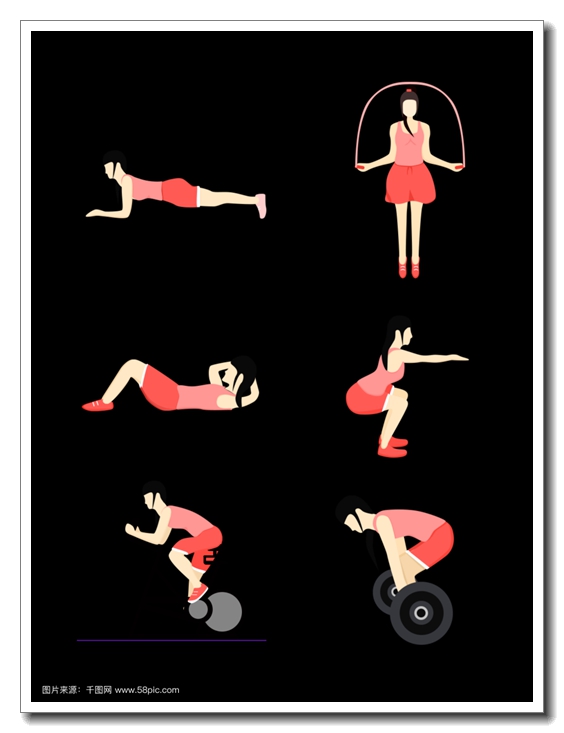
Learning how to talk about exercise is crucial, regardless of your language proficiency. This article explores the Chinese word
锻炼
(duànliàn), its various translations, and related vocabulary to help you understand and communicate about physical activity effectively.
Understanding
锻炼
(duànliàn)
锻炼
(duànliàn) is a versatile Chinese word that encompasses the concept of “exercise,” “training,” and “physical activity.” It’s a foundational term for discussing all kinds of fitness endeavors. Understanding its core meaning and nuances is key to expanding your Chinese vocabulary related to health and wellness.
Common Translations of
锻炼
While the direct translation of
锻炼
is often “exercise,” the most appropriate English word depends on the context. Here are some common translations:
-
锻炼
:
Exercise
(general term for physical activity) -
锻炼
:
To exercise
(as a verb) -
锻炼
:
To train
(especially when focusing on skill development orimproving performance) -
锻炼
:
Workout
(sometimes used, particularly informally) -
锻炼身体
:
To exercise one’s body (literally: exercise body)
Related Vocabulary for Describing Exercise
To further enrich your ability to discuss
锻炼
, here are some related vocabulary words:
-
跑步
(pǎobù):
Running
-
游泳
(yóuyǒng):
Swimming
-
举重
(jǔzhòng):
Weightlifting
-
瑜伽
(yújiā):
Yoga
-
骑自行车
(qí zìxíngchē):
Cycling
-
健身房
(jiànshēnfáng):
Gym
-
锻炼计划
(duànliàn jìhuà):
Exercise plan
-
热身
(rèshēn):
Warm-up
-
放松
(fàngsōng):
Cool-down/Relax
-
肌肉
(jīròu):
Muscle
-
健康
(jiànkāng):
Health
-
健康的生活方式
(jiànkāng de shēnghuó fāngshì):
Healthy lifestyle
Putting it into Practice
Here are some example sentences:
-
我每天都锻炼。
(Wǒ měi tiān dōu duànliàn.) –
I exerciseevery day.
-
她正在健身房锻炼。
(Tā zhèngzài jiànshēnfáng duànliàn.) –
She is exercising at the gym.
-
锻炼可以帮助你保持健康。
(Duànliàn kěyǐ bāngzhù nǐ bǎochí jiànkāng.) –
Exercise can help you stay healthy.
Conclusion
Mastering the vocabulary surrounding
锻炼
and its related terms is a significant step towards communicating effectively about health and fitness in Chinese. By incorporating these words into your vocabulary, you’ll be well-equipped to discuss your exercise habits, understand fitness instructions, and engage in conversations about health and wellness.