

The English Word for 锻炼: A Vocabulary Guide
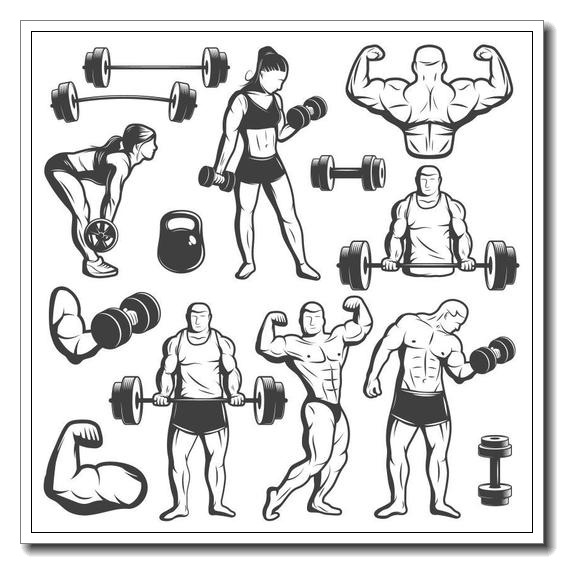
The Chinese word 锻炼 (duànliàn) encompasses a range of activities and concepts related to physical and mental conditioning. Translating it accurately into English can depend heavily on the context. This guide explores the various English words and phrases that can be used to represent 锻炼.
Common Translations of 锻炼
Here are some of the most common and versatile translations:
-
Exercise: This is arguably the most common and general translation. It covers a wide range of physical activities performed to maintain or improve health. Think of activities like running, swimming, weightlifting, and group fitness classes.
- Example: “I exercise every morning.” (我每天早上锻炼。)
-
Work out: Similarto “exercise,” “work out” often implies a more structured and often more intense physical activity, especially at a gym.
- Example: “He works out at the gym three times a week.” (他每周在健身房锻炼三次。)
-
Train: This translation is often used when the focus is on developing specific skills or improving performance, particularly in sports or professional fields.
- Example: “The athletes train for the Olympics.” (运动员们为奥运会锻炼。)
Additional Considerations and Contextual Translations
The best translation will depend on the nuances of the original Chinese sentence. Consider these other options:
-
To practice: If 锻炼 refers to practicing a skill, like a musical instrument or a new language, “practice”is a better fit.
- Example: “She practices her piano every day.” (她每天练习她的钢琴。) While not directly equivalent, the sense of conditioning through repeated action can align with 锻炼 in certain contexts.
-
To develop (skills or abilities): Sometimes 锻炼 implies developing a skill or capacity.
- Example: “He hopes to develop his leadership skills.” (他希望锻炼他的领导能力。) In such a case, the goal is to improve a skill and can be translated with “develop” or “cultivate”.
-
To condition: This emphasizes the process of improving physical fitness or mental readiness, often used in sports or military contexts.
- Example: “The soldiers are conditioning their bodies for combat.” (士兵们正在锻炼他们的身体以备战斗。)
-
To toughen up / To strengthen: When 锻炼 emphasizes building resilience or becoming stronger overcoming hardship.
- Example: “Running and hiking 锻炼s your body.” (跑步和徒步锻炼你的身体。)
Summary
Choosing the right English word for 锻炼 requires careful consideration of the context. While “exercise” and “work out” are common, remember to consider the specific activity, intended goal and the overall meaning of sentence to provide an accurate and nuanced translation.Understanding these options will help you accurately convey the meaning of 锻炼 in your English communication.