

Whats 锻炼 in English? Learn the Pronunciation
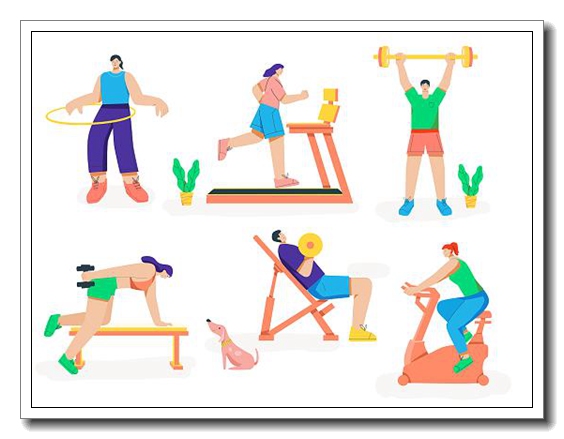
If you’re learning Chinese, you’ve probably come across the word
锻炼
. But what does it mean? This article provides a simple and clear explanation, along with guidance on how to pronounce it.
Meaning of
锻炼
(duànliàn)
The Chinese word
锻炼
(
) generally translates to “to exercise”, “to work out”, or “to train” in English. It’s a versatile verb that encompasses a variety of physical activities aimed at improving health and fitness.
Here are some examples of how you might use
锻炼
:
-
我每天都锻炼。
(
) – I exercise every day. -
她喜欢锻炼身体。
(
) – She likes to exercise. (Literally: She likes to exercise body.) -
你需要多锻炼。
(
) – You need to exercise more.
Pronunciation of
锻炼
(duànliàn)
The pronunciationof
锻炼
is as follows:
-
锻炼
(
)
Here’s a breakdown to help you with thepronunciation:
-
– Sounds similar to “dwahn” (as in “dawn”) but with a short “u” sound. The “d” is pronounced like the “d” in “don”. It has a fourth tone(falling tone). -
– Sounds like “lee-en”. The “li” is pronounced like “lee” and the “an” is like the “en” in the word “pen”. It has a fourth tone (falling tone).
To get a better feel, try listening to how native speakers pronounce it. There are many online resources, such as Google Translate or Forvo, where you can hear the word pronounced by native speakers.
Other Related Translations
While “exercise,” “work out,” and “train” are the primary translations, here are some related words and phrases that convey a similar meaning:
- 健身 (jiànshēn) – to work out; fitness
- 运动 (yùndòng) – sports; exercise; to move
- 跑步 (pǎobù) – to run; jogging
- 游泳 (yóuyǒng) – to swim
Understanding
锻炼
is a fundamentalstep in learning Chinese. By understanding its meaning and pronunciation, you can begin to incorporate it into your vocabulary and communicate effectively about physical activity and health.