

Beyond Exercise: Other English Words for 锻炼
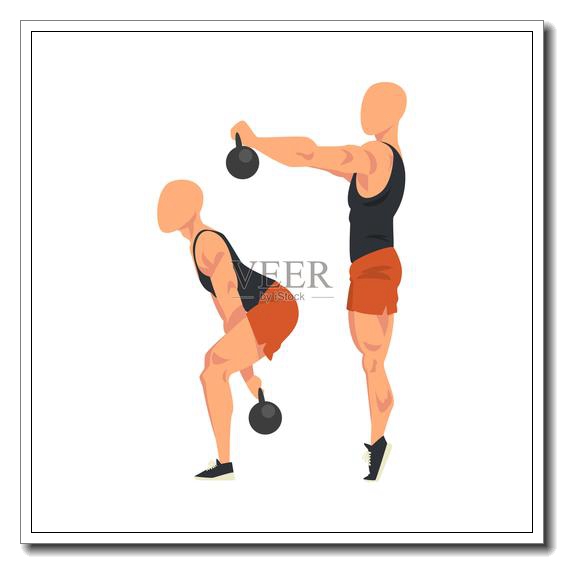
The Chinese word “锻炼” (duànliàn) encompasses a variety of meanings related to physical activity and self-improvement.
Work out:
Similar to “workout,” but can also imply a more casual or less structured physical activity.
“Let’s work out together at the park.”
Practice:
This term is particularly suitable when “锻炼” refers to repeatedly doing something to improve a skill, whether physical or mental.
“He practices yoga every day.”
Physicalactivity:
A more general and inclusive term, suitable when you want to avoid specifying a particular form of exercise.
“Regular physical activity is crucial for maintaining good health.”
Words that Highlight SpecificAspects of “锻炼”
Depending on the specific meaning of “锻炼,” these words might be more appropriate:
-
Develop:
When “锻炼” refers to developing skills, talents, or mental capabilities.
“Reading helps to develop your vocabulary.”
-
Hone:
This emphasizes refining a skill or ability to its best possible level.
“She spent years honing her writingskills.”
-
Strengthen:
Used when “锻炼” aims to increase physical or mental strength.
“Exercise can strengthen your core muscles.”
-
Condition:
Often used in the context of physical fitness and preparing the body for a specific task.
“The athletes are conditioning for the upcoming competition.”
-
Cultivate:
When “锻炼”suggests nurturing a habit or skill.
“He is cultivating a habit of positive thinking.”
Choosing the Right Word
The best word to use depends on the specific context and the intendedmeaning of “锻炼.” Consider the following:
-
What is the primary goal?
Is it to improve fitness, develop a skill, or build strength? -
What type of activity is involved?
Is it a general workout, a specific sport, or amental exercise? -
What is the level of formality?
Is this a casual conversation or a formal report?
By considering these factors and using the suggestions above, you can more effectively and precisely translate “锻炼” into English.