

Exercice – English Equivalent and Usage
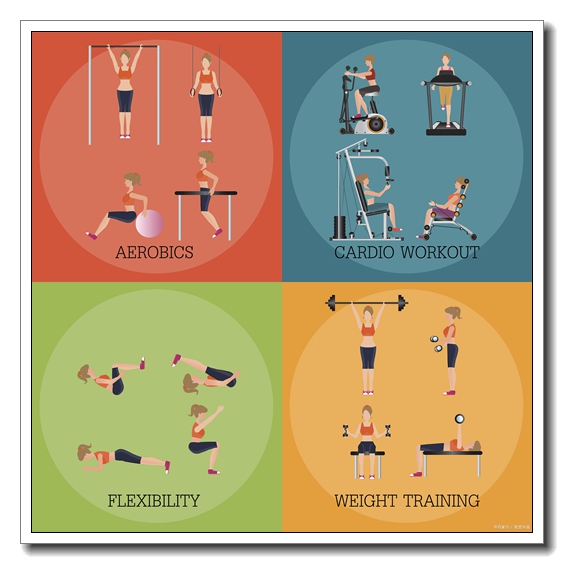
Primarily refers to physical exercise, especially in the context of fitness.
Usage Examples
Let’s look at examples to illustrate the different translations:
French: Je fais de l’exercice tous les jours.
English equivalents:
- I exercise every day.
- I do exercise every day.
- I work out every day.
(Explanation: In this case, “exercise” and “workout” are suitable for physical activity.)
French: L’officier a ordonné un exercice de tir.
English: The officer ordered a shooting drill.
(Explanation: “Drill” is appropriate for repetitive training in a military context.)
French: Il faut faire des exercices de grammaire.
English: You need to do grammar exercises.
(Explanation: “Exercises” is a direct translation for academic work.)
French: Nous avons un exercice de maths à faire.
English: We have a math problem to do.
(Explanation: In a mathematical context, “problem” is the accurate translation.)
French: Les exercices de respiration peuvent réduire le stress.
English: Breathing exercises can reduce stress.
(Explanation: “Exercises” is applicable to techniques or activities.)
French: L’exercice de lecture était difficile.
English: The reading activity was difficult.
(Explanation: “Activity” as a general term for a task.)
Key Takeaways
The best English translation for “exercice” will always depend on the context. Consider the typeof activity, the setting, and the intended meaning to choose the most appropriate word. By understanding the various equivalents and their applications, you’ll be able to use the term accurately and effectively in your English communication.