

The English Translation of 锻炼
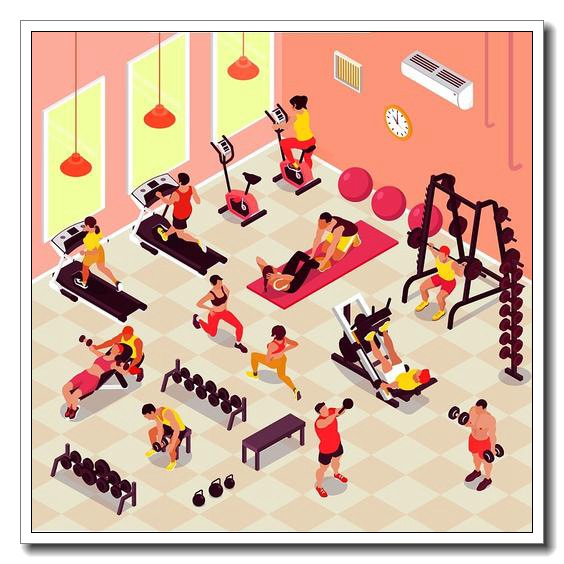
The Chinese word 锻炼 (duànliàn) is a versatile term, essential for understanding many aspects of Chinese culture, from physical fitness to self-improvement. This article aims to explore its common English translations and provide context for its usage.
Common Translations:
The most straightforward and common English translation of 锻炼 is:
To exercise
This translation accurately reflects the physical aspect of the word, encompassing activities like running, swimming, weightlifting, and other forms of physical activity intended to improve health and fitness.
However, depending on the context, other translations can be equally appropriate:
-
To train
: This translation is often used whenreferring to activities like sports training, or the development of a skill or ability. -
To practice
: This is particularly suitable when 锻炼 refers to refining a skill through repetitive action, like practicing a musical instrument or martialarts. -
To temper
: This translation can be used metaphorically, signifying the strengthening or shaping of character through difficult experiences. -
To cultivate
: Similar to “temper,” this translation suggests the development of a certain quality, like discipline or resilience. -
To work out
: Similar to “to exercise,” but often implying a more structured orintensive physical activity, often in a gym or fitness class.
Contextual Examples:
-
Example: 我每天早上都会锻炼。(Wǒ měitiān zǎoshang dōu huì duànliàn.)
Translation: I exercise every morning.
This is a clear example of 锻炼 referring to physical exercise.
-
Example: 他正在锻炼他的英语口语。(Tā zhèngzài duànliàn tā de Yīngyǔ kǒuyǔ.)
Translation: He is practicing his English speaking skills.
Here, 锻炼 is used in the sense of practicingand improving a skill.
-
Example: 这次失败锻炼了他的意志。(Zhè cì shībài duànliàn le tā de yìzhì.)
Translation: This failure tempered his will.
This example shows the metaphorical usage of 锻炼 to describe the strengthening of character.
Conclusion:
Understanding 锻炼’s various translations is crucial for grasping its nuances. While “to exercise” is areliable starting point, recognizing the context and considering “to train,” “to practice,” “to temper,” and “to cultivate” will lead to a more profound understanding of the original meaning and the intended message.