

Recharging and Resetting: A Guide to Recovery After Overuse
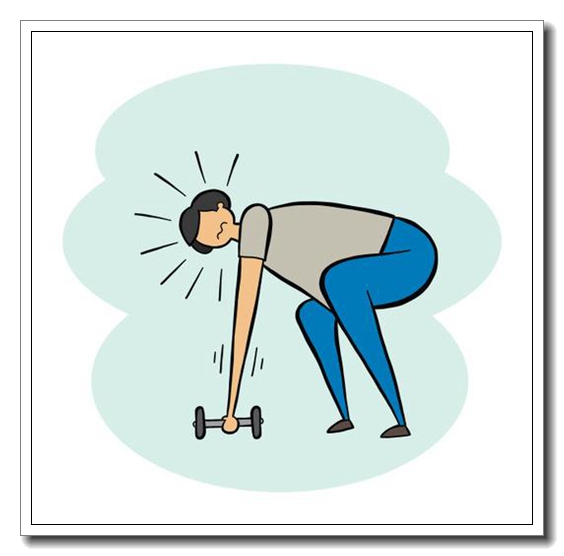
In today’s fast-paced world, it’s easy to push ourselves beyond our limits. Whether it’s the demands of work, personal responsibilities, or simply a relentless pursuit of activity, overuse can lead to burnout, exhaustion, and a diminished sense of well-being. This guide offers practicalstrategies to recharge your batteries and reset your system after periods of excessive activity.
Recognizing the Signs of Overuse
Before you can recover, it’s crucial to identify the early warning signs of overuse. Ignoringthese signals can lead to more serious consequences.
-
Physical Exhaustion:
Persistent tiredness, muscle soreness, and difficulty sleeping. -
Mental Fatigue:
Difficulty concentrating, forgetfulness, and a feeling of being overwhelmed. -
Emotional Symptoms:
Irritability, anxiety, sadness, and a general lack of motivation. -
Changes in Behavior:
Withdrawal from social activities, increased reliance on unhealthy coping mechanisms (e.g., alcohol, overeating), and procrastination.
Strategies for Recharging
Once you recognize the signs, it’s time to take action. Here are some effective methods for recharging your energy and restoring your well-being:
1. Prioritize Rest and Recovery
-
Sleep:
Aim for 7-9 hours of quality sleep per night. Establish a regular sleep schedule and create a relaxing bedtime routine. -
Breaks:
Take regular breaks throughout the day, even if it’s just a few minutes to step away from your work. Schedule longer breaks for personal activities. -
Time Off:
Plan for dedicated periods of rest and relaxation, whether it’s a weekend getawayor a longer vacation. Use this time to disconnect and unwind.
2. Nourish Your Body and Mind
-
Nutrition:
Eat a balanced diet rich in fruits, vegetables, and whole grains. Avoid processed foods, excessivesugar, and caffeine, which can exacerbate fatigue. -
Hydration:
Drink plenty of water throughout the day. Dehydration can contribute to fatigue and headaches. -
Exercise (in moderation):
Gentle exercise, such as walking,yoga, or swimming, can help to boost energy levels and improve mood. Avoid strenuous activities during recovery. -
Mindfulness and Meditation:
Practices like mindfulness and meditation can help to reduce stress and promote relaxation.
3. Re-evaluate andAdjust Your Routine
-
Identify Triggers:
Determine what caused the overuse in the first place. Were you working too many hours? Were you taking on too many commitments? -
Set Boundaries:
Learn to say “no” to requests that exceed your capacity. Clearly communicate your limits to others. -
Prioritize Tasks:
Focus on the most important tasks and delegate or eliminate less critical ones. -
Seek Support:
Talk to friends, family, or a therapist about your experiences. Don’t be afraid to ask for help when you need it.
Long-Term Prevention
The goal isn’t just to recover, but toprevent future episodes of overuse. Here are some steps to integrate into your lifestyle:
-
Regular Self-Assessment:
Periodically check in with yourself to assess your energy levels, mood, and overall well-being. -
Realistic Expectations:
Avoid setting unrealistic goals that lead to overworking and disappointment. -
Work-Life Balance:
Strive for a healthy balance between your work and personal life. Make time for activities that bring you joy and relaxation. -
Continuous Learning: Stay informed about stress management and self-care techniques.
Recovering from overuse is a process that requires patience and self-compassion. By implementing these strategies, you can not onlyrecharge your system but also create a more sustainable and fulfilling lifestyle. Remember to listen to your body and prioritize your well-being.
You deserve it.