

Essential English: Learning the Names of Your Body
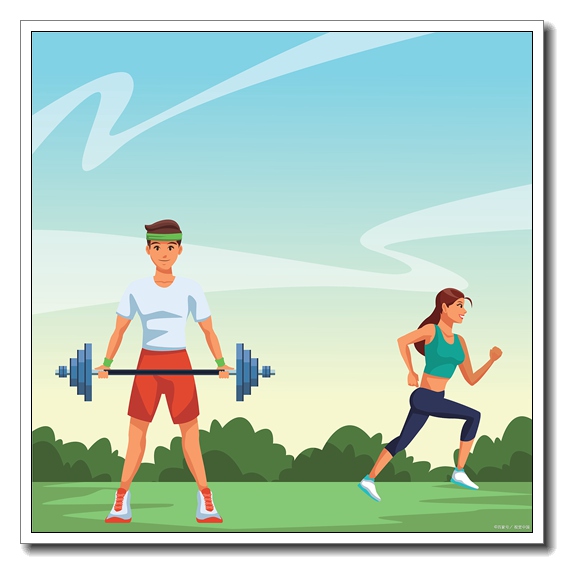
Understanding and being able to name your body parts is a fundamental part of learning English. This article provides a basic vocabulary list to help you get started.
The Head
- Head: The top part of your body.
- Hair: What grows on your head.
- Face: The front of your head.
- Eyes: Used for seeing.
- Ears: Used for hearing.
- Nose:Used for smelling and breathing.
- Mouth: Used for eating and speaking.
- Teeth: Found inside your mouth, used for chewing.
- Lips: The edges of your mouth.
- Chin: The lower part ofyour face.
- Cheek: The side of your face.
The Body
- Neck: Connects your head to your body.
- Shoulders: Where your arms connect to your body.
- Arms: Used for lifting and reaching.
- Elbows: The joint in your arm.
- Hands: Used for grasping and holding.
- Fingers: Part of your hand.
- Chest: The front of your upper body.
- Stomach: Where food goes to be digested.
- Back: The rear of your body.
- Legs: Used for walking and standing.
- Knees: The joint in your leg.
- Feet: Used forstanding and walking.
- Toes: Part of your foot.
Practice Exercises
To practice, try:
- Pointing to each body part as you say its name.
- Describing what each body part does. (e.g., “I see with my eyes.”)
- Looking in a mirror and naming the parts you see.
Good luck learning the names of your body parts! This is a great step in building your English vocabulary.
Key improvements and explanations:Clear HTML Structure:Uses “, “, “, and “ tags for proper HTML5 structure.Heading Hierarchy: Uses `
` for the main title and `
` for section headings, which is semantically correct.Semantic Elements: Uses `
` for paragraphs,`
-
` and `
- ` for lists, and “ for important words.CSS Styling (Internal): Includes basic CSS styling within `