

Exercisein Mandarin: 锻炼身体 vs. 锻练身体 – Which is Right?
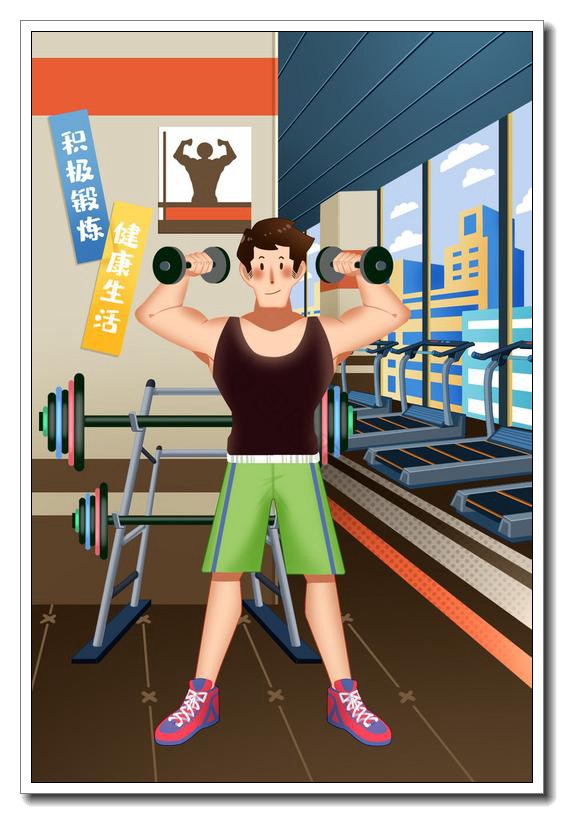
When learning Mandarin, you’ll inevitably come across different ways to say the same thing. One common source of confusion for learners is the seemingly interchangeable phrases 锻炼身体 (duànliàn shēntǐ) and 锻练身体 (duànliàn shēntǐ). While both literally translate to “exercise the body”, they carry subtly different connotations and are used in slightly different contexts.
The Difference
In most situations,锻炼身体 (duànliàn shēntǐ) is the more common and widely accepted way to say “exercise.” It’s the general, everyday term for physical exercise.
锻练身体 (duànliàn shēntǐ),while grammatically correct, is often perceived as slightly more formal or archaic. Think of it as being more suited to specialized contexts like training for specific sports or disciplines where high levels of skill and proficiency are emphasized.
Examples
- 锻炼身体 (duànliàn shēntǐ): “I exercise every day to stay healthy” (General, everyday exercise)
- 锻炼身体 (duànliàn shēntǐ): “The athlete diligently practices exercises to improve his performance.” (Focus on improving performance)
- 锻练身体 (duànliàn shēntǐ): (Less common, but potentially applicable): “The elite martial arts student dedicated himself to training his body relentlessly.” (Formal, emphasizing skill development)
InConclusion
Unless you are specifically referring to specialized training or professional development of physical skills, 锻炼身体 (duànliàn shēntǐ) is almost always the preferred choice. While 锻练身体 (duànliàn shēntǐ) is acceptable in somespecialized contexts, you will not likely encounter it too often.
Using 锻炼身体(duànliàn shēntǐ) in most cases will be perfectly understood and appropriate.