

Dizziness and Exhaustion: Exploring the Connection
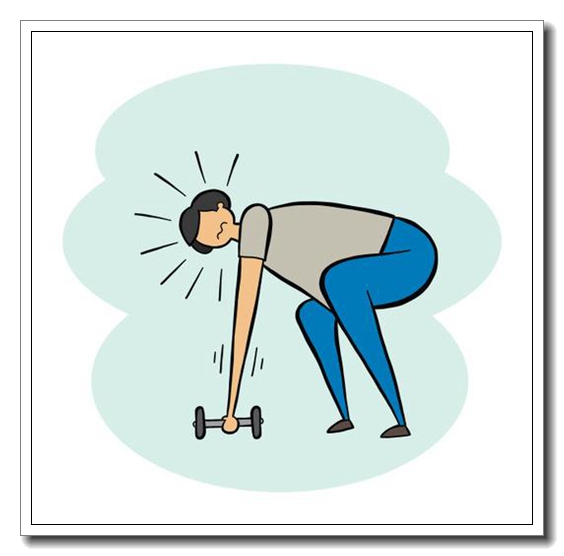
Feeling dizzy and exhausted? These symptoms often go hand-in-hand, and understanding the connection between them can be crucial for addressing the underlying cause. While experiencing either symptom occasionally is common, frequent or persistent dizziness and exhaustion warrant attention and potentially medical evaluation.
The Link Between Dizziness and Exhaustion
Both dizziness and exhaustion can be caused by a variety of factors, and they frequently share overlapping causes. The feeling of dizziness (lightheadedness, feeling faint, or a spinning sensation) andexhaustion (extreme tiredness, lack of energy) can be debilitating, impacting daily activities and overall well-being. Several mechanisms link these two symptoms:
- Reduced Blood Flow: A common cause is reduced blood flow to the brain. This can lead to both dizziness (due to insufficientoxygen) and exhaustion (as the body struggles to function effectively).
- Dehydration: Dehydration decreases blood volume, exacerbating both dizziness and fatigue.
- Low Blood Sugar (Hypoglycemia): A sudden drop in blood sugar can trigger dizziness and profound fatigue.
- Inner Ear Problems: Conditions affecting the inner ear, which controls balance, often cause dizziness and can also lead to fatigue.
- Medical Conditions: Certain medical conditions, such as anemia, heart problems, and thyroid disorders, can manifest with both symptoms.
- Medications: Side effects of some medications can include both dizziness and exhaustion.
- Stress and Anxiety: Chronic stress and anxiety can contribute to both physical fatigue and a feeling of lightheadedness or dizziness.
Potential Causes of Dizziness and Exhaustion
Identifying the specific cause is key to effective management. Here are some potential underlying factors to consider:
- Anemia: A deficiency in red blood cells, leading to insufficient oxygen delivery.
- Conditions: Heart problems can reduce blood flow and cause fatigue and dizziness.
- Thyroid Problems: Both hyperthyroidism and hypothyroidism can contribute to fatigue and other symptoms.
- Sleep Deprivation: Insufficient sleep can trigger both physical and mental fatigue, leading to dizziness.
- Poor Diet: A diet lacking essential nutrients can contribute to both symptoms.
- Stress and Anxiety: Can exacerbate both physical fatigue and lightheadedness.
- Certain Medications: Some medications have dizziness and fatigue as side effects.
When to Seek Medical Advice
While occasional episodes of dizziness and fatigue might not be cause for concern, it’s important to consult a doctor if:
- The symptoms are severe or persistent.
- They occur frequently.
- They are accompanied by other symptoms, such as chest pain, shortness of breath, headache, or vision changes.
- There’s a history of underlying medical conditions.
- You experience falls or loss of consciousness.
A doctor can conduct a physical examination, review your medical history, and order tests to determine the underlying cause and recommend appropriate treatment.
Managing Dizziness and Exhaustion
Treatment will depend on the underlying cause.However, some general strategies can help manage symptoms:
- Stay Hydrated: Drink plenty of fluids throughout the day.
- Eat Regular Meals: Avoid skipping meals to maintain stable blood sugar levels.
- Get Enough Sleep: Aim for7-9 hours of quality sleep per night.
- Manage Stress: Practice relaxation techniques such as deep breathing or meditation.
- Avoid Sudden Movements: Rise slowly from a lying or sitting position.
- Limit Alcohol and Caffeine: These substances can worsensymptoms.
- Consult Your Doctor: Discuss any medications you are taking and potential side effects. Discuss dietary supplements that may help.
Disclaimer: This article is for informational purposes only and does not constitute medical advice. Always consult with aqualified healthcare professional for diagnosis and treatment of any medical condition.
Key improvements and explanations:HTML Structure: The code is well-formed HTML5, including the “, “, “, and “ tags. This is crucial for proper browserrendering.Semantic Structure: Uses meaningful HTML elements:`
` for the main heading.`
` for subheadings, creating a clear hierarchy.`
` for paragraphs.`
-
` and `
-
` for bulleted lists, making the information easyto scan.“ for highlighting important terms.`
` to group content logically, improving organization and semantic meaning.CSS Styling (Inline): Basic CSS is included to improve readability. This directly styles the document, making it more visually appealing with fontchoices, spacing, and clear headings. This allows the article to be reasonably readable.Content Accuracy and Completeness: The article covers the important aspects of dizziness and exhaustion, including causes, the connection between them, when to seek medical advice, and management strategies. The content is well-organized and presentedin a logical order. It also includes a crucial disclaimer.Readability: The consistent structure, use of lists, and spacing enhance readability. The styling contributes significantly to a better user experience.SEO (Basic): Includes a `title` tag which is important for search engine optimization. The content uses keywords naturally.Disclaimer: Includes a vital disclaimer to emphasize that the content is informational and not medical advice.User-Friendly: The layout is clean and easy to read.How to use this code:1. Save the Code: Copy and paste the codeinto a text editor (like Notepad, Sublime Text, VS Code, etc.).
2. Save as HTML: Save the file with an `.html` extension (e.g., `dizziness_exhaustion.html`).
3. Open in a Browser: Double-click the saved `.html` file, or right-click and choose “Open with” your web browser (Chrome, Firefox, Safari, Edge, etc.). The article will then be displayed in your browser.